
the newsletter, every issue.
Nine hundred and sixty-eight editions of yap, sat in one place. One long read every day. Always free.
Nine hundred and sixty-eight issues.

The Godlike Experience of the Offline Gadget
Gabi Abrão turned her spare iPhone into an offline music player and called it almost godlike. The pull of early 2000s tech like the iPod and the flip phone is a reaction to devices that track us and sell to us. Chompi Club and single-utility apps show how brands can build low-fidelity zones that respect people's boundaries.

The Sinister Mechanics of the AI Influencer
The best-known AI influencers, from Lil Miquela to Aitana Lopez, are built and run mostly by men. They never age, never push back and never ask for a bigger cut, which makes them a dream for brands. Packaged as young women, they turn the male gaze into a product and set a synthetic standard that real women are made to compete with.
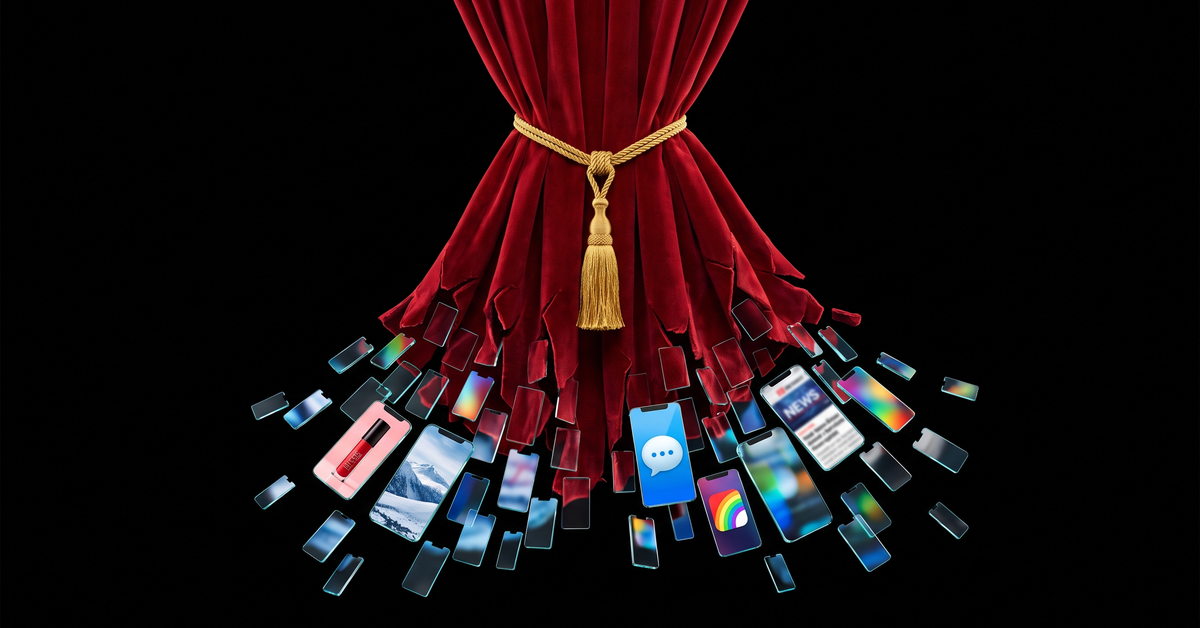
The Death of the Three-Act Brand Narrative
The three-act brand story assumes you control the stage, but the feed drops your brand between unrelated content and gives it a second to land. The brand-as-mosaic approach makes every post, reply and package detail work on its own, so the full picture builds up over time. Rhode and Slack show how it works.
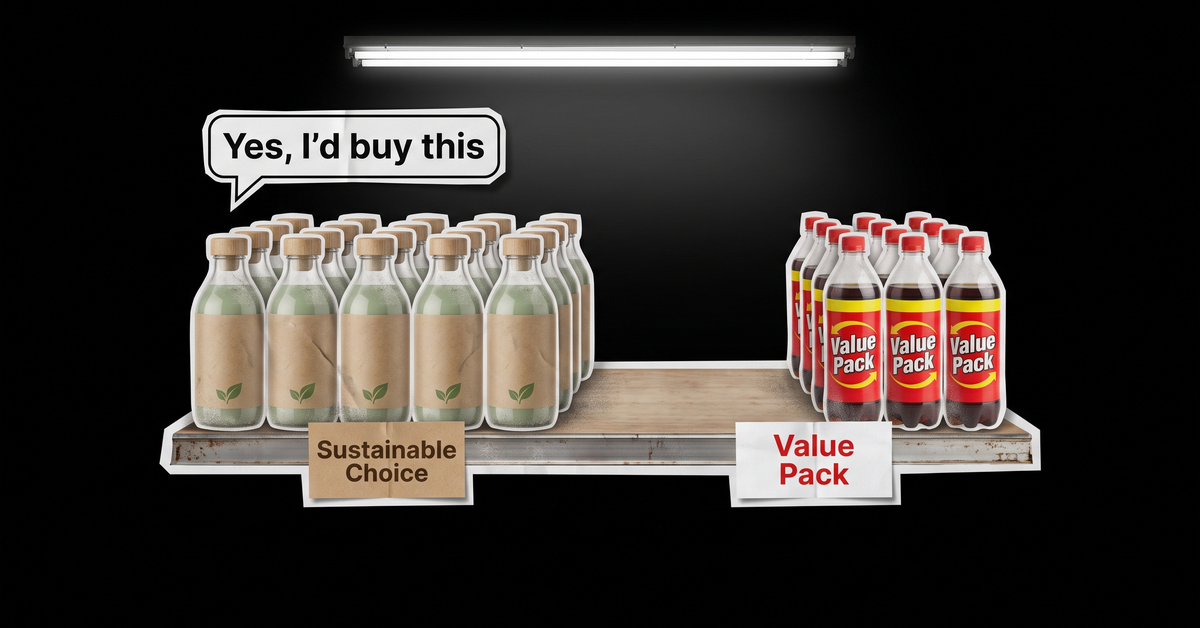
Unlocking the Real-World Toolbox of Behavioral Science
People say one thing and do another, so surveys and focus groups mislead. Behavioural science gives brands a cheaper way in: watch real behaviour with session recordings, run small live A/B tests on different psychological levers, and audit the journey for friction. No lab or big budget needed.

The Ghost in the Machine of the Access Economy
Streaming and subscriptions replaced owning films, music and books with a licence that can be taken away. That makes the things we consume feel weightless. Physical books, instant cameras and vinyl are back because scarcity feels special. Brands that give people something real to hold earn deeper loyalty.
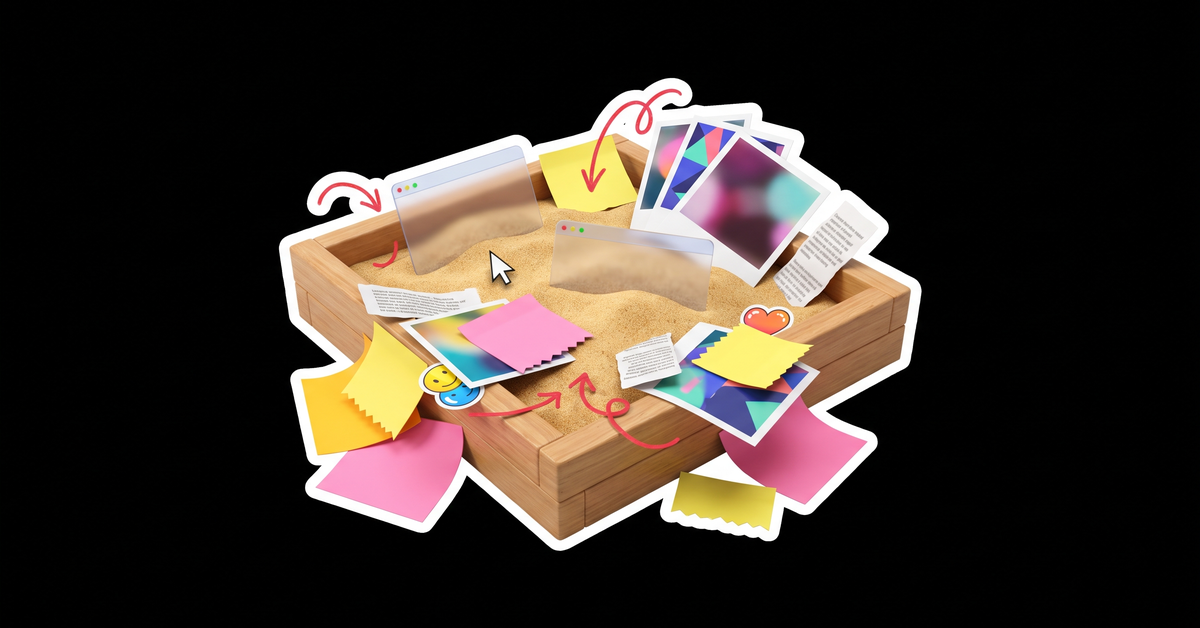
The Digital Sandbox Renaissance
Rigid, automated software is wearing people out. Professionals are moving to open canvas tools where they can build workspaces that look like digital scrapbooks. Brands that add room to play, instead of a fixed path, earn deeper ownership from their users.
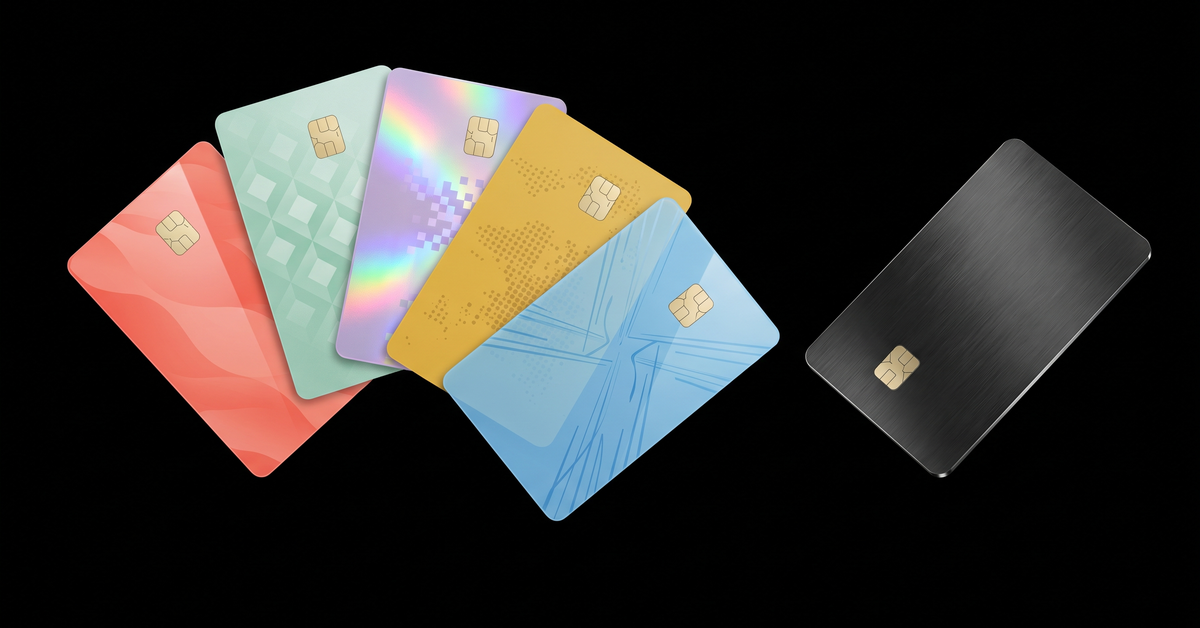
The Credit Card Multi-Pass Paradox
The heavy metal prestige card is losing to a stack of niche cards built for rent, groceries or EV charging. The lesson for every brand: own one recurring friction point instead of the whole lifestyle.
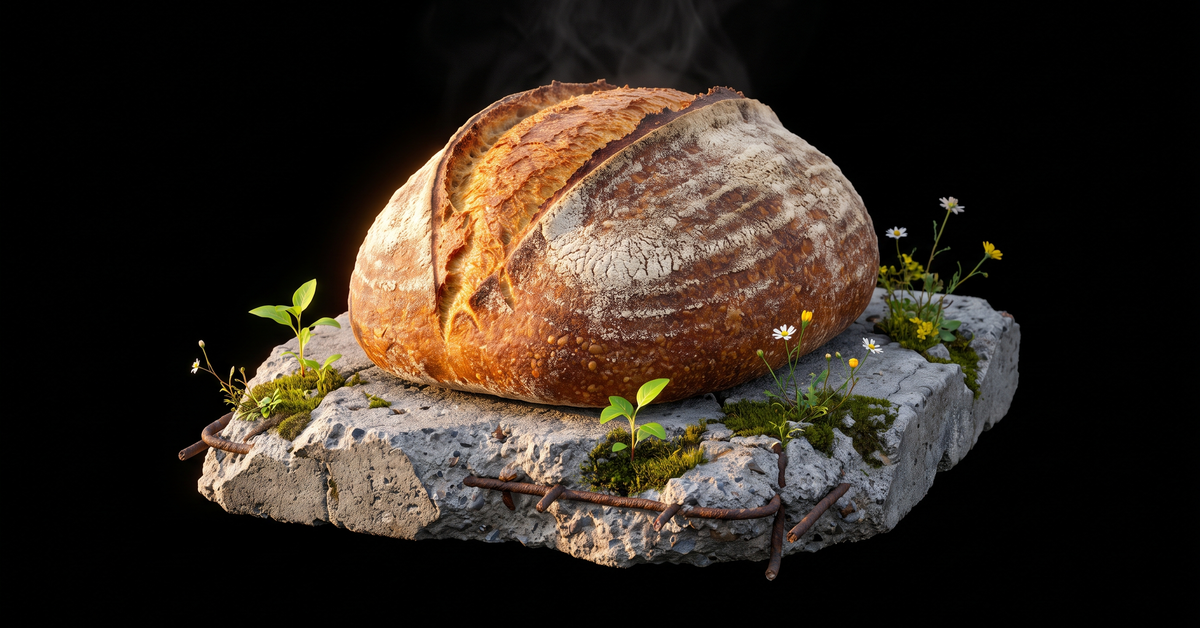
Designing for the Cozy Apocalypse
From Animal Crossing to The Last of Us episode 3, audiences want comfort inside a broken world, not more dread. Brands talking sustainability or hard times should drop the panic and offer sanctuary.
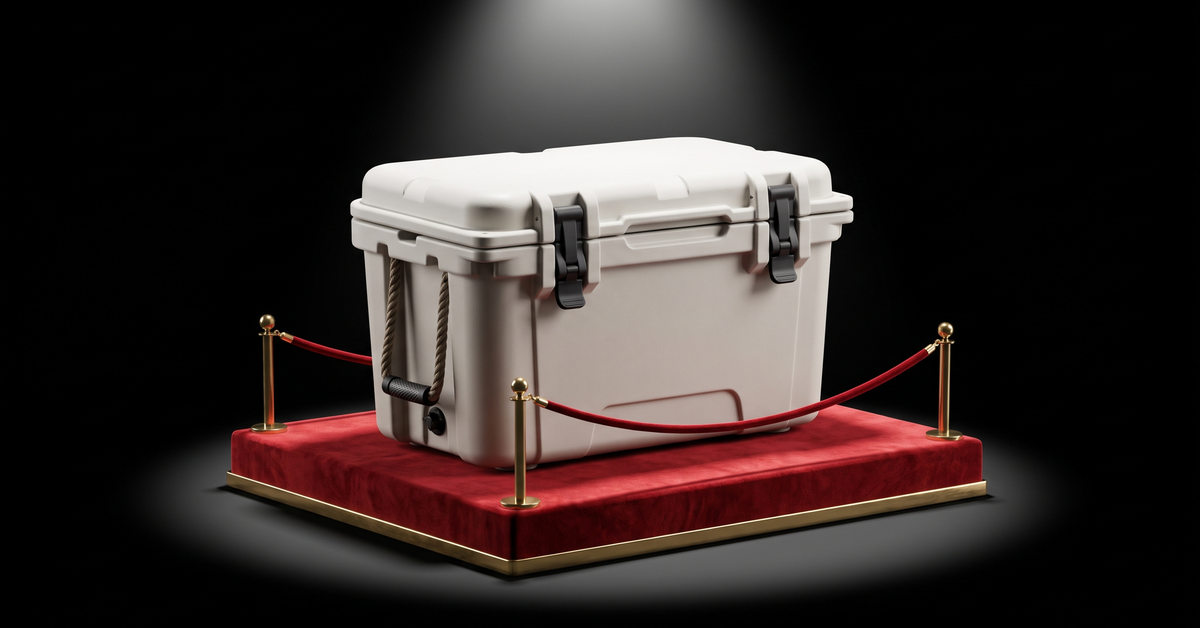
The Rise of Conspicuous Practicality
Yeti coolers, designer air purifiers and countertop composters are the new status symbols. Wealthy buyers want to look prepared, not rich, so premium brands are swapping glamour for engineering.

The New Land Rush of Virtual Squatting
With physical property out of reach, people are treating handles, domains and online corners like land. Brands that leave their own digital territory empty look transient, or lose it entirely.

The Modern Luxury of the Micro-Sabbatical
Instead of waiting for retirement, high performers are taking recurring two to three month breaks. That breaks the seasonal marketing calendar, and brands that punish people for pausing lose them for good.
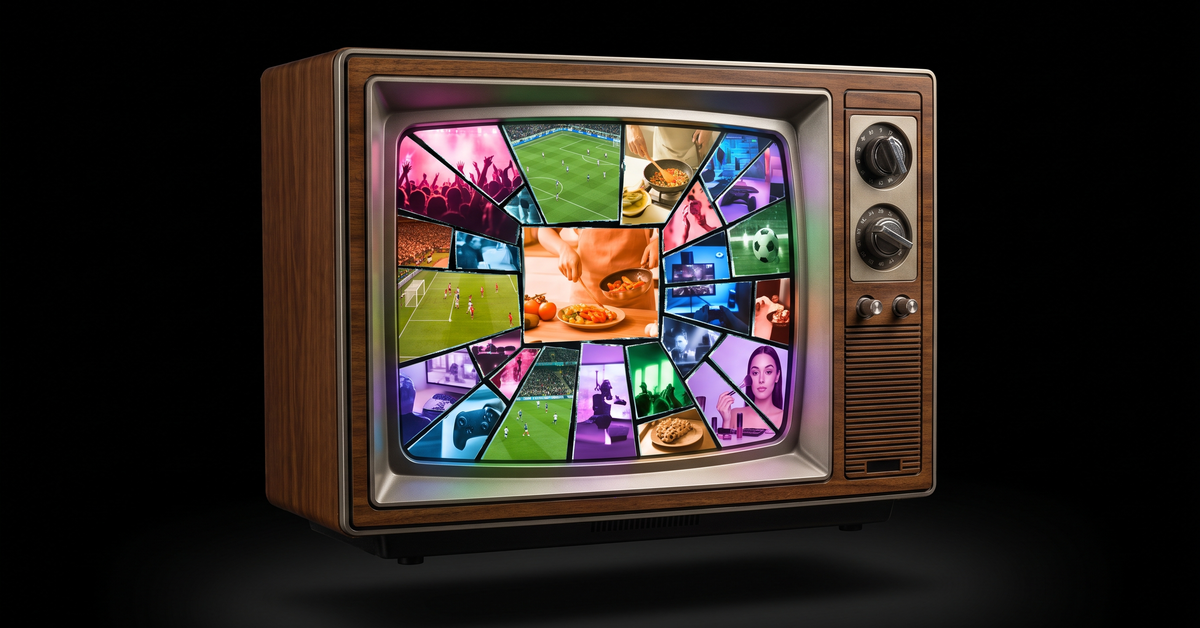
Surviving the End of Monoculture
Mass media gave brands one shared public square. Algorithmic feeds broke it into thousands of streams. The brands that win now go deep inside niche communities instead of chasing one giant cultural moment.