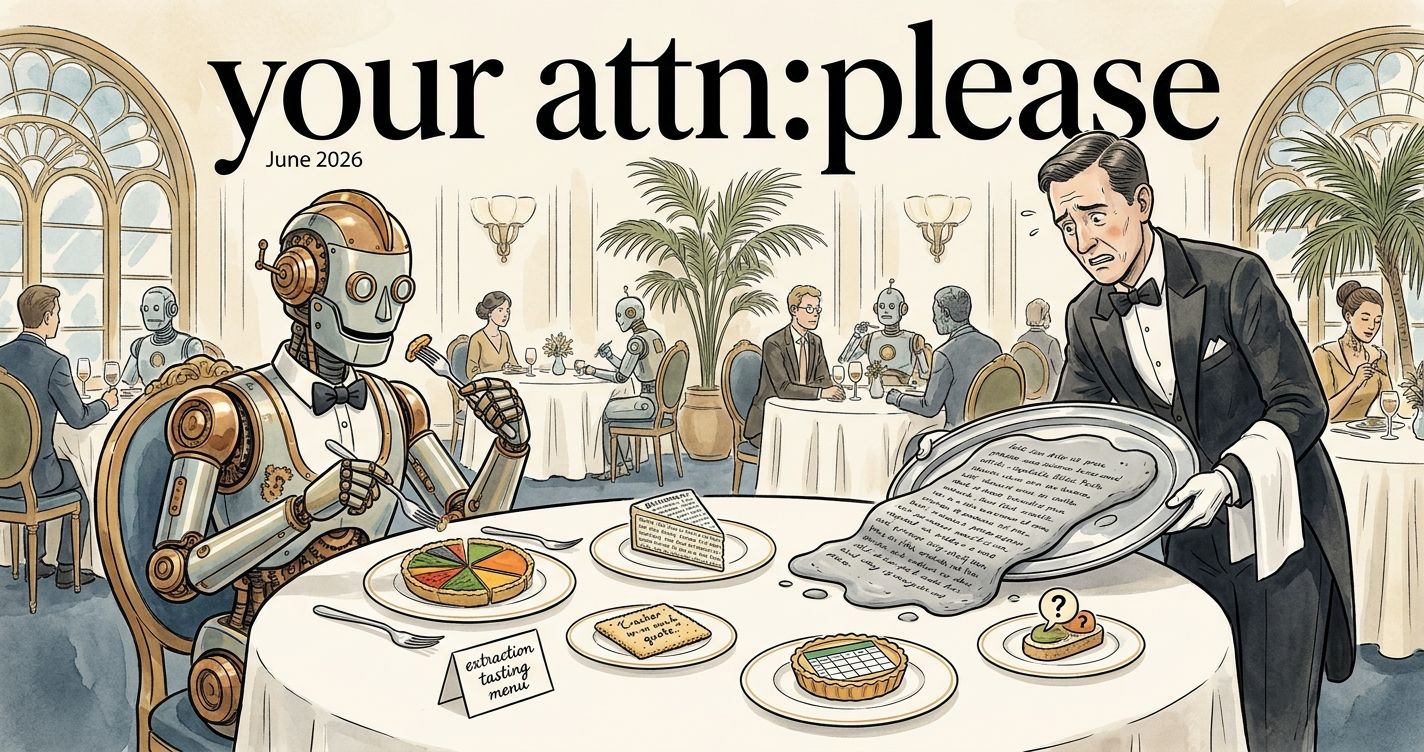
AI search quotes five things most: data, definitions, quotes, tables, and FAQs. These are the formats a machine can lift cleanly and trust. A specific stat, a plain definition, a named-source quote, a comparison table, and a direct question-and-answer pair all hand the AI a finished block it can drop into an answer and credit to you.
I run a social media and education business in New Zealand. When we studied which of our pages got quoted inside ChatGPT and Perplexity and which got ignored, a pattern showed up fast. The cited pages were stuffed with these five formats. The ignored ones were prose. Our SEO partner, The Optimisers, confirmed the same across their client work. Here is each one, why it works, and how to add it.
Why these five formats win
These five win because they are self-contained. A machine lifting an answer wants a block it can pull whole, without rewriting and without losing the meaning. A stat, a definition, a quote, a table row, and an FAQ pair are all complete on their own. Prose is not. Prose has to be summarised, and summarising loses the citation.
About 65 percent of searches now end with no click, according to widely reported 2026 data. So the AI answer is the destination, and the source it lifts from is the only winner. If your page hands over clean blocks, you get named. If it hands over paragraphs the machine has to chew, you get skipped.
The pattern is the point. You are not writing worse. You are writing in shapes the machine can carry.
Data: the format that wins most
Data wins more citations than anything else. A specific number, a percentage, a dated stat, or a named figure gives the AI something concrete and credible to quote. Vague claims get ignored. "This really helps" is noise. "This lifts traffic 40 percent" gets lifted.
Why it works: a number is a fact, and facts are what answers are made of. The machine trusts a sourced stat far more than an opinion.
How to add it.
- Replace every vague claim with a number. Not "a lot," but "over 180,000."
- Date your stats. "In 2026" beats a floating figure.
- Name the source in plain words inside the sentence. "According to widely reported 2026 search data."
- Use your own first-hand numbers where you have them. Owned data is the most trusted of all.
Definitions: the cleanest answer
A definition is the cleanest possible answer to a "what is" question, so AI quotes definitions constantly. State what your main term is in one tight, plain sentence near the top of the page. The machine drops it straight into a response and credits you.
Why it works: a huge share of questions are really "what is X." A clean definition answers that in one move.
How to add it. Put a definition box near the top of every page. Write it the way you would say it out loud, not the way a textbook would. "GEO is getting your content quoted inside AI answers" beats a long academic sentence. Plain words match the plain way people ask.
Quotes: borrowed authority
A named-source quote is a block the AI can lift whole and attribute, which makes it easy to cite. An expert line, a customer line, or a quote from a known figure carries authority the machine can pass along. It is a finished unit with a name attached.
Why it works: a quote is pre-packaged credibility. The AI does not have to vouch for it; it just attributes it.
How to add it.
- Quote a named expert with a real title.
- Quote a client or customer, anonymised if needed, with a specific outcome.
- Pull a line from your own team. "As I tell our team: you are making them feel something."
- Always attach a name or a role. An unattributed quote is just a sentence.
Tables: the format AI parses cleanest
Comparison tables get pulled into AI answers almost whole, because a table is structured data the machine reads without guessing. When you compare two things, a table beats three paragraphs every time. Rows and columns map directly to the comparison the user asked for.
Why it works: "X vs Y" questions are everywhere, and a table is the exact shape of that answer.
How to add it. Any time your content compares options, build a small table. Classic SEO vs GEO. Plan A vs Plan B. Before vs after. Keep the columns tight and the cells short. The machine reads short cells cleanly and lifts the whole comparison.
FAQs: questions that mirror real prompts
An FAQ section is a stack of direct question-and-answer pairs, and those pairs mirror the exact prompts people type into AI search. Each pair is a self-contained answer block the machine can lift and credit. Add an FAQ to the foot of every long page.
Why it works: people ask AI full questions. An FAQ pair is already in that shape, so the match is near-perfect.
How to add it.
- Write the questions in the words people actually ask. Spoken, full sentences.
- Answer each in 40 to 60 words. Direct, plain, complete.
- Mark it up with FAQPage schema, the code that labels it as an FAQ for machines. This is linked to higher citation rates.
- Mirror real prompts, not the questions you wish people asked.
Frequently asked questions
Which of the five formats should I add first?
Start with data and definitions. They are the two highest-citation formats and the easiest to retrofit. Go through your priority pages, replace vague claims with specific sourced numbers, and add a plain one-sentence definition near the top of each. That single pass lifts your citation odds before you touch anything else.
Can I use all five on one page?
Yes, and you should on important pages. A strong page opens with a definition, backs claims with data, includes a named quote or two, uses a table where it compares things, and closes with an FAQ. Each format gives the machine a different clean block to lift, which multiplies your chances of being cited.
Do tables need special formatting to get cited?
Keep them simple. Use real table markup, short clear column headers, and short cells. Avoid merged cells and images of tables, which machines cannot read. A plain comparison table with tight rows is parsed cleanly and pulled into answers almost whole. Complexity is what breaks it, not the table itself.
How many FAQ questions should I include?
Four to six is a good range for most pages. Enough to cover the real follow-up questions people ask, not so many that the section becomes filler. Write each one from a genuine prompt, answer it directly in 40 to 60 words, and mark the whole block up with FAQPage schema for the citation lift.
Where do I find the questions and stats to use?
Pull questions from what your customers actually ask you, from the "people also ask" boxes, and from how people phrase prompts. Pull stats from your own first-hand results first, then from named 2026 studies. For Kiwi businesses, your own client outcomes are the most trusted and most quotable data you have.