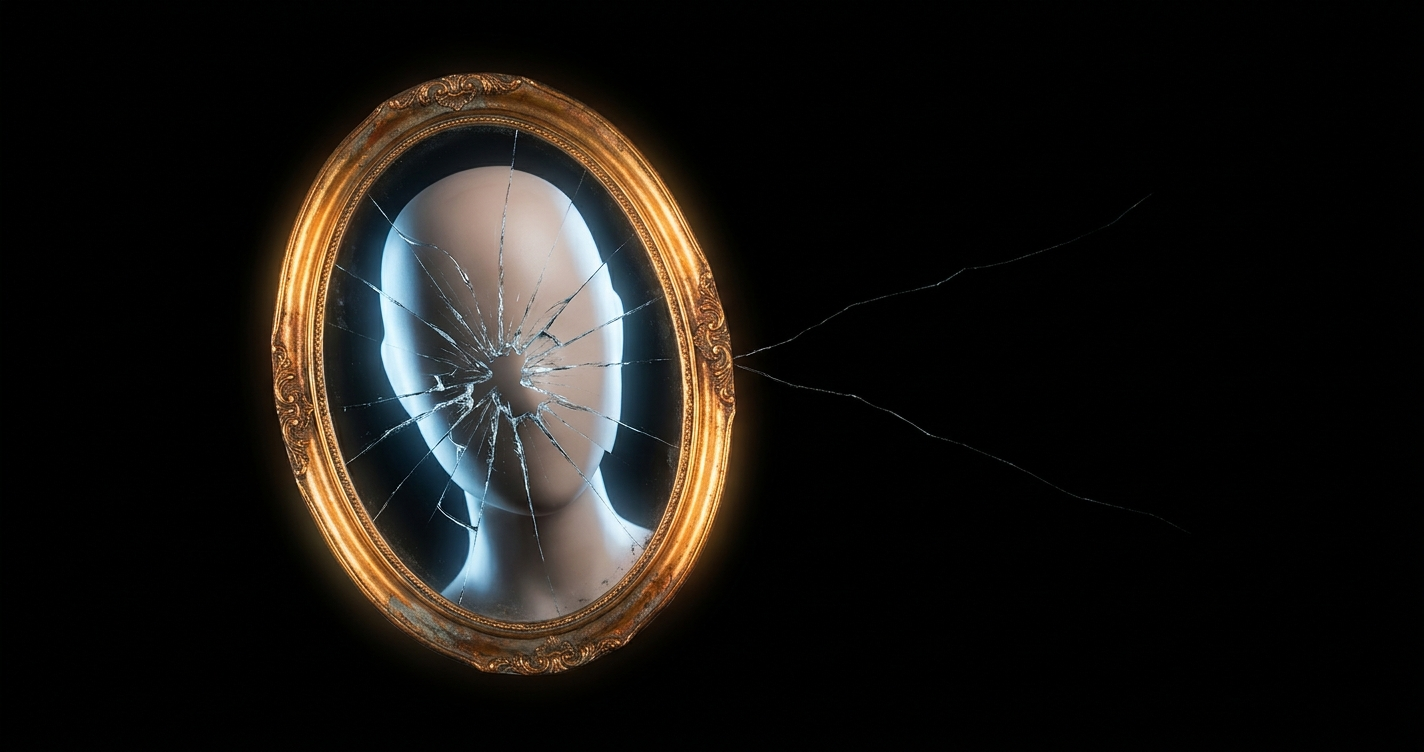
If you're a woman, you've been paying a very specific tax almost your whole life (and I don’t mean to the IRD or the IRS).
This tax takes a whole part of your fkn soul, and costs far more than money could ever buy.
Let me explain.
The normalisation of aesthetic interventions like preventative Botox, filler, non-invasive facial restructuring, and hyper-complex skincare routines and performative morning “shed” routines, has done something far more sinister than simply expanding consumer choice.
It has triggered what I once read Vogue call “Aesthetic Inflation.” And it has permanently pushed the baseline standard of what society considers a "normal, acceptable face" into an entirely unachievable, hyper-engineered dimension.
Listen, I’m not talking about a casual relationship with cosmetic enhancement here.
God knows I’m a fan, or a victim, or both, of a little razzle-dazzle enhancing procedure. But right now I’m talking about a system that has trapped women and gender-non-conforming individuals in an exhausting, compounding cycle. One of physical labour that is virtually impossible to escape without facing systemic consequences.
The corporate beauty apparatus has pulled off the ultimate capitalistic manoeuvre. And it's turned the biological ageing process into a visible failure of discipline.
Smooth, volume-mapped, and frozen features have become the default visual currency of our digital feeds. Which means an un-enhanced, naturally ageing face stops looking normal. It starts to be perceived as tired, neglected, or economically un-optimised. Some go as far as to call it poor, lazy and even anti-social.
This is where the viciousness of aesthetic inflation truly takes root.
The decision to opt out of this treadmill isn’t just a simple personal lifestyle choice; it’s a huge gamble. And the stakes are high asf. Choosing to step away from the labour means willingly facing tangible social, financial, and even professional fallout.
Study after study confirms that visual compliance directly correlates with professional mobility, hiring biases, and social leverage. And, as is always the case with inflationary pressure, these penalties hit marginalised communities the hardest.
If your position in the professional or social hierarchy is already precarious, you cannot easily afford to incur the added tax of being deemed "un-groomed." You cannot "let yourself go" in a corporate culture that prizes aesthetic optimisation. Fear of those exact consequences is the ultimate retention metric for the beauty industry. It is what keeps the cash registers ringing and the syringes full.
So, how do we get off this god-forsaken ride?
Can we even pull the plug on a machine that has woven itself so deeply into our survival instincts?
The sad truth of the matter is, an individual cannot dismantle a multi-billion-dollar psychological trap through sheer willpower alone. True optimisation, and the only real form of resistance, requires us to stop treating our reflections as an ongoing maintenance project.
It means developing a fierce, internal boundary that refuses to validate the shifting goalposts of the feed. We have to start treating our faces and bodies as functional vessels for our real, messy lives. Because they are not dynamic marketing assets that need to be constantly upgraded to please an external audience.
So, how do we shift consumer marketing so it stops being so profoundly vicious and exploitative?
The consumer base is hitting a wall of psychological burnout. The massive opportunity right now belongs to the brands that practice Radical Aesthetic De-escalation. Despite the pendulum being swung as far as it can go to the other side.
We need brands that possess the supreme operational confidence to lower the volume of the industry's rhetoric.
We need messaging that stops treating ageing as an emergency to be corrected. Messaging that, instead, focuses on raw utility, physical comfort, and basic health. It’s time to say to consumers: “You do not need to look perfect to be valuable. Your skin is an organ, not an administrative task. Here is a product that protects your health, so you can get back to living your actual life.”
This is a call for a complete re-centering of our commercial ethics.
Attention severed from respect is a toxic asset. And marketing built entirely on the systematic manufacturing of human dysmorphia is a dying paradigm. Stop letting a hyper-polished algorithm and a corporate machine dictate the baseline price of your own humanity.
Put down the mirror. Step away from the endless tracking metrics. And remember that the ultimate display of personal authority isn't achieving a flawless, synthetic mask. It's having the guts to own the face you were given, entirely for free.
-Sophie Randell, Writer