The corporate public relations playbook for the social media age has a favourite, highly celebrated tactic: reactive marketing.
Move fast, monitor trending topics, and immediately insert your brand into the cultural moment of the week. It’s cheap, it’s viral, it’s algorithmically rewarded, and it’s an easy way to manufacture short-term internet relevance.
But when a brand tries to hijack an individual’s identity purely for a fleeting hit of algorithmic engagement, it is incredibly easy to overlook exactly what you are infringing upon.
Example A: the absolute legal mess enveloping Norwegian Air. Earlier this season, the airline’s marketing team thought it would be a brilliant, cheeky stunt to jump on the immense popularity of Manchester City superstar Erling Haaland. They uploaded an edited photo to their public social media channels depicting Haaland’s famous, distinct blonde bun photoshopped onto one of their passenger planes.
It was designed to be a harmless, viral meme. Instead, Haaland’s legal team immediately hit the airline with a lawsuit.
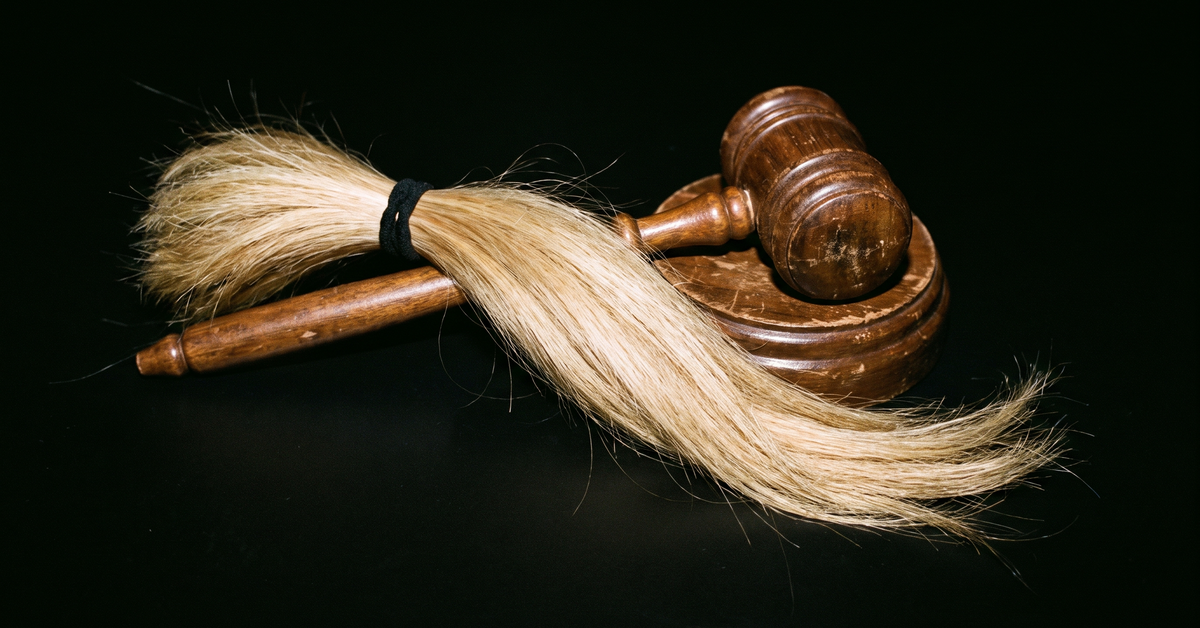
The corporate defence usually relies on a plea of harmless internet humour: “It was just a meme, we were celebrating him.” But Haaland’s team made a razor-sharp, commercial counter-point: Haaland owns an incredibly lucrative, highly trademarked hair accessory and hair band business. His distinct hairstyle isn’t just a quirky personal trait; it is a core, legally protected asset of his global brand identity.
By superimposing it onto their aircraft without a multi-million-dollar licensing agreement, Norwegian Air wasn’t just participating in pop culture; they were committing corporate IP theft to drive commercial traffic.
The Illusion of Free Cultural Capital
This highlights the shifting goalposts for digital marketing strategies. For years, the internet operated under an informal, loose consensus that public figures and trending memes were fair game for brand commentary. If a celebrity wore a weird outfit or did a funny dance, brands rushed to replicate it on TikTok to show they were “in on the joke.”
But as celebrity ecosystems have become their own entities, the tolerance for this unauthorised extraction of cultural capital has plummeted.
When a brand resorts to reactive trend-jacking, they assume that attention is free. But in 2026, a public figure’s aesthetic, likeness, and personal quirks are financial assets.
So, when a corporate entity uses those assets to boost their own metrics, it’s not creative; they bypass the traditional sponsorship infrastructure that keeps the entertainment economy running.
This doesn’t mean brands can never comment on pop culture or participate in wider societal conversations. Rather, it introduces a strict line between organic participation and commercial exploitation. If your brand’s reactive post can be reasonably decoded as an unauthorised endorsement or an attempt to borrow an individual’s personal equity to validate your product, you are playing an incredibly high-risk legal game.
Rebalancing Velocity with Strategic Risk
For brand builders and social teams, the Haaland vs. Norwegian Air dispute serves as a lesson.
The frantic pressure to output content within an hour of a trend erupting often forces teams to completely bypass their legal and compliance frameworks.
The winning strategy moving forward isn’t to abandon pop culture awareness, but to ruthlessly audit the intent of your content. If you are a small-to-mid-sized brand, you probably do not have the financial padding or corporate legal teams to survive a major trademark infringement suit from a global superstar.
Instead of trying to hijack specific individuals or gatekept intellectual property, focus your reactive marketing on broader cultural shifts, shared human experiences, or macro-trends within your actual industry.
If you want to use a celebrity’s likeness, pay the licensing fee. If you can’t afford the fee, keep their name out of your copy (or their hair).
The short-term high of a viral tweet is never worth the long-term devastation of a corporate lawsuit.
The Takeaway:
Trend-jacking is no longer a safe marketing strategy when it can become a legal liability. If your social media department is constantly trying to capitalise on the person of the moment, you are gambling with your brand’s survival.
Stop treating celebrity identities like free public content. Rebalance your marketing velocity with strict compliance, focus your reactive campaigns on universal behavioural insights rather than specific individual IP, and build your brand’s relevance on its own substance. In a litigious media landscape, true marketing genius lies in creating your own cultural moments, not stealing someone else’s ponytail.