The 2026 festive advertising season has arrived, and I’m noticing a theme. The dominant creative directive for a large segment of the world’s leading luxury and lifestyle brands is less “spreading holiday cheer” and more “AI could never.”
As the digital landscape has become oversaturated with automated content, brands have undoubtedly rediscovered the premium value of the human hand. Traditional craftsmanship, painstaking physical labour, and artisanal nostalgia are back, baby.
We saw it roll out beautifully when Prada launched its “Drawing Prada: Animated by Hand” campaign, partnering with legendary former Disney animator John Pomeroy to draw characters frame-by-frame, which was just gorgeous, by the way. We also saw it when Levi’s created a breathtaking stop-motion holiday film, intentionally publishing the behind-the-scenes footage to prove that actual human artists moved clay and fabric millimetre by millimetre, frame by frame, to create a few seconds of tactile magic. The message from these campaigns was crystal clear: true luxury functions on human effort, exclusivity, and the rejection of cheap automation.
But then, Christian Dior entered the chat. And they fucked it up badly.
The French luxury house dropped its highly anticipated festive short film, “Christian Dior’s Night in Color,” directed by Oscar-nominated French animator Sylvain Chomet and featuring an all-star voice cast including Robert Pattinson and Rihanna. Marketing materials and behind-the-scenes promotional videos on the Dior Official Page aggressively touted the project as if it were a completely hand-illustrated, traditional animation piece that mirrored “the patience required to create haute couture.”
The brand tried to position itself as the ultimate defender of human artistry. The only problem? It took less than twenty-four hours for eagle-eyed animators across the net to pause the film, pull up the receipts, and expose the entire thing as a heavily AI-assisted shortcut.
The Tell-Tale of Automated Interpolation
The public execution of Dior’s holiday ad serves as a brilliant case study in the total collapse of corporate transparency. While the brand’s PR machinery went on a massive press tour to celebrate the “1940s traditional techniques” used in the production, viewers immediately began spotting the unmistakable visual glitches that define generative model interpolation.
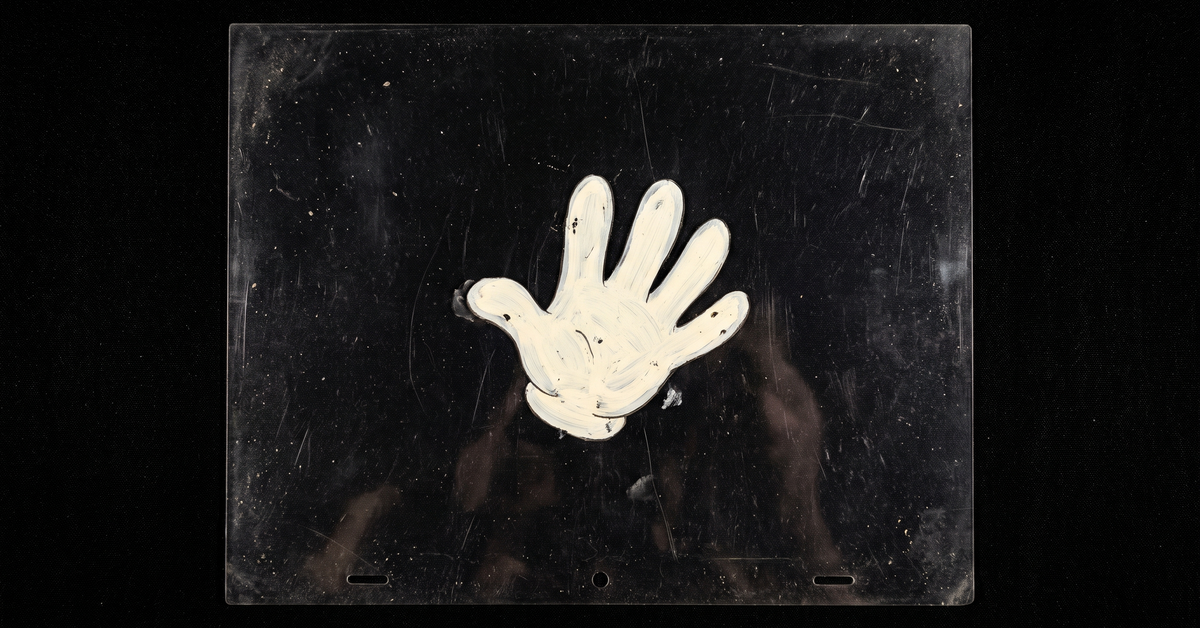
Animators pointed to classic, sloppy AI artifacts: warped lettering on Monsieur Dior’s dog’s tag, unnatural character movements, a character with a lazy eye, and a frame showing a character with a misplaced, six-fingered hand.
While director Sylvain Chomet eventually pushed back against the scathing criticism, acknowledging the use of “automated interpolation” tools while insisting the primary drawings were human-made, the damage to the brand’s integrity was already done.
To the modern consumer, this didn’t look like a smart hybridisation of technology and art. It looked like stolen valour.
Dior attempted to borrow the cultural capital and emotional warmth of traditional human handicraft, while secretly using automated algorithms to cut corners, speed up production, and reduce labour costs. By wrapping a generative workflow in a misleading, pro-artist marketing narrative, they triggered an immediate explosion of audience mistrust, consumer eye-rolls, and public hostility.
The Exclusivity Void of the Synthetic Shortcut
Dior’s big blunder here is the failure to understand how luxury branding works in our overly automated landscape. We all know a luxury house like Christian Dior does not sell basic utility; it sells the illusion of infinite, uncompromised care. When a consumer drops thousands of dollars on a handbag or a fragrance by the brand, they pay an eye-watering premium to align themselves with an institution that, so to speak, prioritises meticulous craftsmanship and quality over mass-market efficiency.
When you introduce generative AI into your primary brand communication, especially during the highly sentimental holiday season, you unfortunately hollow out that exclusivity.
Because you no longer give high art and start giving cheap, automated simulation.
The campaign stands as a warning shot for modern marketing departments: if you don’t want your reputation to be publicly executed in the town square, don’t pretend your brand stands for traditional human craftsmanship if it, in fact, does not.
The Takeaway
Using the language of human artistry to launder an automated corporate shortcut is a catastrophic reputational risk. Do not think so little of your consumer, I promise you they can easily spot a synthetic blemish from a mile away.
If you choose to use AI, that’s fine! The word here is transparency babes; be honest about its role in your workflow. If you want to claim the prestige of handcrafted art, put your money where your mouth is: hire real human creators, fund actual animation studios, and invest in the slow, beautiful, and beautifully imperfect friction of manual execution.