
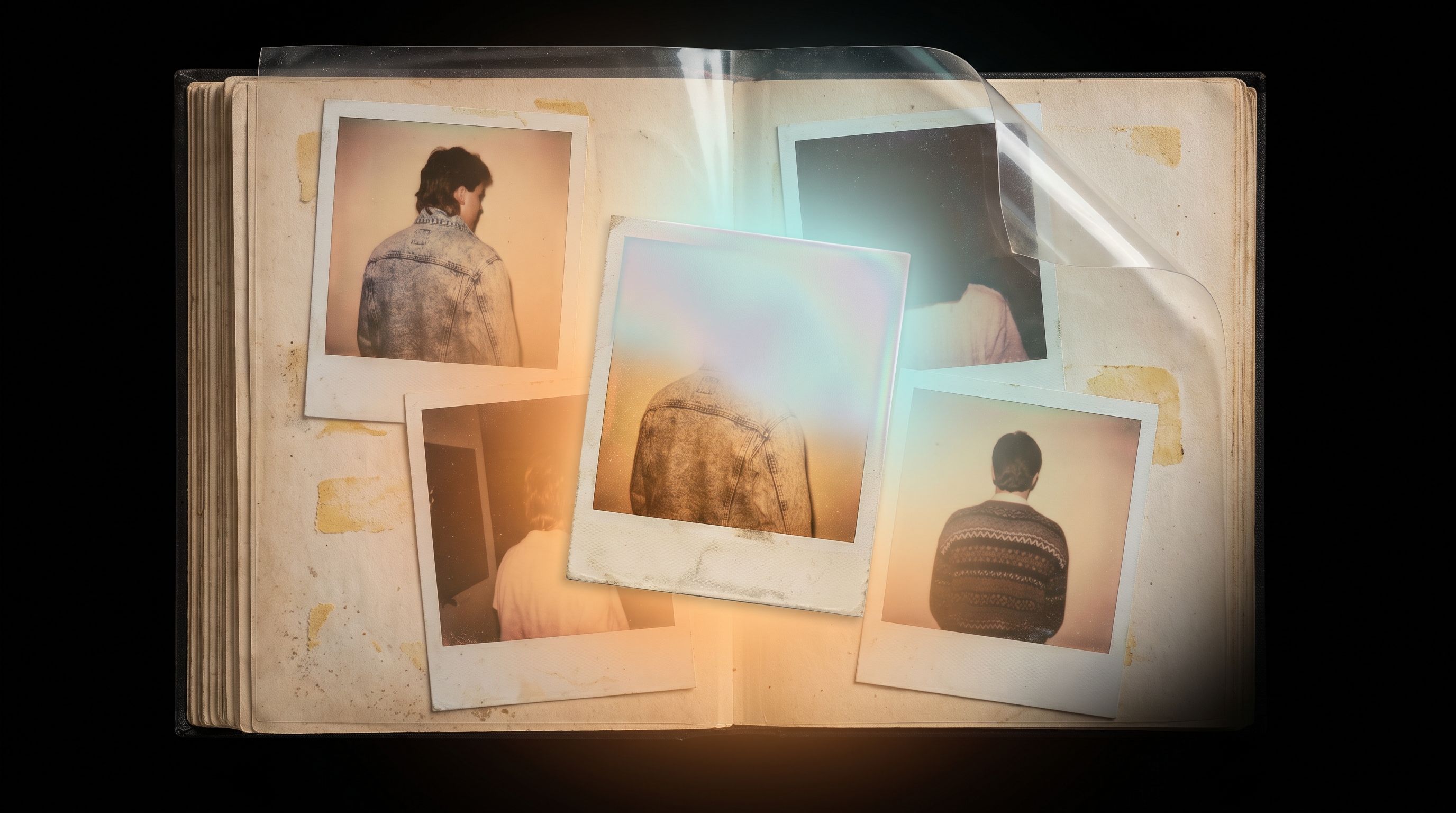
If I see one more person on my Instagram feed posting an airbrushed AI image of what they supposedly looked like in the 1980s...
…Bad things are going to happen (I’m going offline)
The irony of this viral trend is that the vast majority of people partaking in it are Gen X. Mind you, you guys were actually alive in the 1980s. You have real, physical, analogue photo albums sitting in a dusty box in your closet right now containing actual evidence of what you looked like.
But instead of sharing the beautiful reality of your youth, you’re outsourcing your own memories to an algorithm. That’s a… choice. For sure.
Let’s be entirely blunt: nobody gives a single, flying fuck what a machine thinks you looked like forty years ago. And frankly the digital rendering you are proudly posting right now looks like a terrifying, uncanny-valley doppelgänger that belongs in a horror movie.
I guess we’re in an era of hyper-narcissistic synthetic nostalgia now? Proof that internet trends have completely detached us from reality.
The True Cost of a Fake Memory
Beyond the agonising cringeworthiness of the aesthetic, there is of course a dark punchline to these stupid fucking trends that nobody in your comment section is talking about: the ecological cost of your short-term ego stroke.
Every single time you type your little prompt into a generative AI tool to watch it spit out a fake picture of you wearing acid-wash denim, you’re casually obliterating natural resources.
Recent environmental audits of major data centres have revealed that generating just a handful of AI images can require up to a literal litre of clean water for server cooling, alongside an astronomical amount of electricity.
Think about the sheer ludicrousness of that equation: draining water tables, straining power grids, and accelerating environmental degradation purely so a 48-year-old mid-level marketing executive can feel a brief, fleeting hit of dopamine on a Tuesday afternoon outside of their vape and hitting on their younger co-workers.
Burning real-world resources to create entirely fake pasts. Nice.
The Illusion of Impression
What makes this trend truly embarrassing is how easily impressed the average consumer has become. There is a profound stupidity in feeding your actual biometrics, your actual face, and your personal data into a commercial AI ecosystem just to be coddled by a machine.
Generative AI doesn’t know who you were. It doesn’t capture your spirit, your flaws, or the actual culture of the decade. It takes a sanitised, generic template of “1980s aesthetic” (the kind manufactured by Pinterest and retro TV shows) and slaps a heavily filtered, plasticky version of your facial structure on top of it.
I need you to know this: when you post one, you aren’t showing off a cool piece of technology. You are showing the world that you are easily tricked by a basic, commodified mirror trick.
You are a big baby being entertained by baby entertainment.
Embarrassing.
The modern consumer has become so starved for personal identity that they are willing to accept a fake, machine-generated version of their own life story. For brands and creators, this trend is a massive warning sign of peak digital desperation. If your marketing strategy relies on cheap, algorithmic gimmicks to get users to engage, you are contributing to a profound cultural fatigue.
Connection doesn’t come from AI slop. Be so for real.
Delete the app, find your real photo albums, and face the reality of the present.