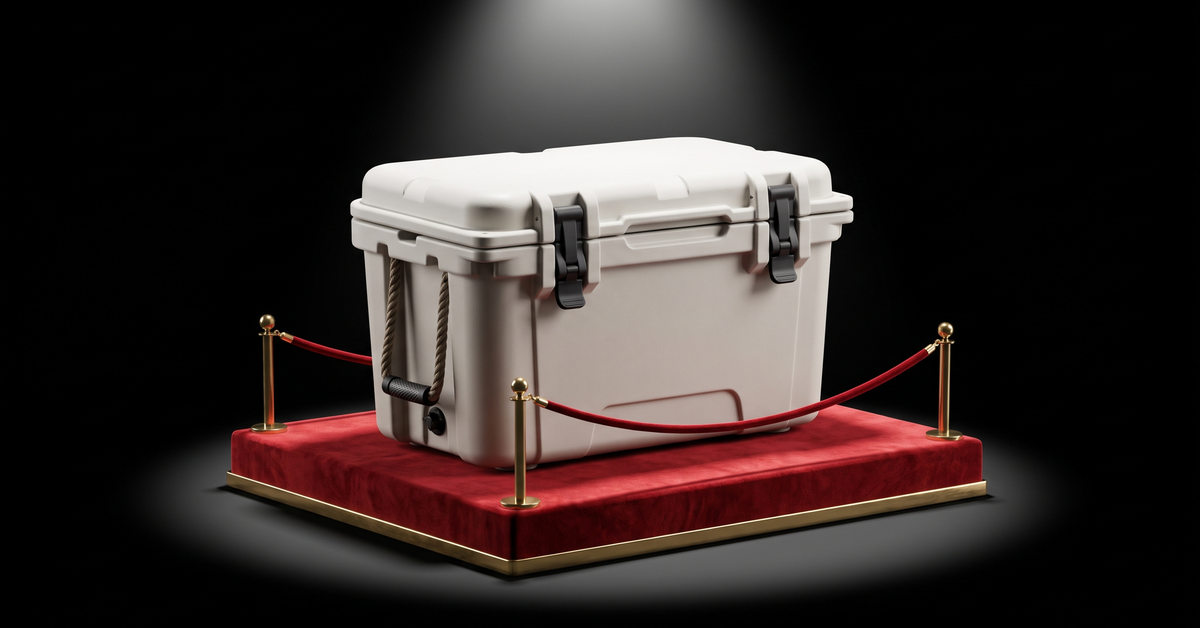
The visual vocabulary of high-end lifestyle marketing is changing its formula.
Generally speaking, if a luxury brand wanted to signal elite status, it would lean into the aesthetics of glamorous, beautiful excess; the art of marketing Italian sports cars that could reach track speeds no (sane) driver would ever actually attempt, or delicate leather handbags that are meant to sit on a shelf in your luxury walk-in, and towering stilettos engineered purely for a five-minute walk from a limousine to a red carpet. Status has often historically been tied to beautiful impracticality.
But as the cultural background noise has become increasingly complex, a fascinating behavioural pivot is taking place at the upper end of the consumer market.
Flashy, obvious luxury indicators are facing consumer pushback, increasingly viewed as slightly tacky and out-of-touch.
In their place, a new status symbol has emerged: Conspicuous Practicality.
Wealthy, highly discerning consumers are subtly signalling their status through high-end, over-engineered versions of utilitarian everyday items. True luxury is transitioning away from “looking rich” and moving toward looking highly prepared, sensible, and optimised for everyday resilience.
The Over-Engineering of the Mundane
You can see this shift unfolding across almost every consumer category. Look at the huge cross-demographic explosion of Yeti coolers and thermal drinkware. It’s unlikely that these healthy urban professionals are buying $500 coolers because they are planning a rugged, month-long expedition into the Alaskan wilderness.
They’re buying them to keep a few bottles of sparkling water cold during a casual backyard barbecue. The value proposition isn’t the actual use case; it is the feeling of readiness that comes from industrial-grade manufacturing.
Similarly, look at the booming market for high-end home infrastructure. Brands like Dyson and Mila have successfully transformed the humble, forgotten air purifier into a premium design statement. Consumers are now proudly displaying a $400 medical-grade air filtration column in the centre of their living rooms like a piece of fine sculpture (and this is what we mean when we say you can’t buy taste).
Even in the kitchen, the rise of companies like Lomi has turned an over-engineered electronic compost bin into a major flex. To have a sleek machine on your countertop that uses low-energy heat and abrasion to transform food scraps into dirt says “I care about the planet, and I’m rich enough to optimise my domestic waste loop.”
This behaviour highlights a profound adjustment in consumer psychology: in an era of ambient instability, spending money on items that offer tangible day-to-day utility feels deeply justified. It provides a layer of psychological comfort food that abstract luxury can no longer replicate.
Rebranding from Glamour to Essential Tool
For brand architects, product designers, and marketers, the rise of conspicuous practicality means it’s time to re-evaluate your aesthetic messaging. If your brand sells premium items, relying on superficial lifestyle imagery, showing attractive people looking effortless in pristine settings can often trigger immediate consumer boredom or scepticism.
The forward-thinking brands capturing the market right now are stripping away the glamour bullshit and instead formatting their product descriptions like technical blueprints, highlighting material science, and focusing heavily on manufacturing integrity.
Look at how luxury apparel brands are subtly shifting. Labels like Arc’teryx or 7L are thriving in urban retail spaces because they don’t market their jackets around runway trends, and yet still end up high fashion street wear. They market their pieces around Gore-Tex performance metrics, seam-taping technologies, and their ability to survive a torrential downpour: taking technical gear built for extreme survival and repositioning it as an essential tool for navigating the modern city landscape.
By framing your high-ticket offerings around undeniable utility, obsessive craftsmanship, and everyday functionality, you transform the purchase in the consumer’s mind. It stops feeling like a frivolous, guilt-inducing luxury expense and starts feeling like a highly responsible, logical investment in their physical reality.
The Takeaway:
When the cultural zeitgeist pivots toward resilience and substance, superficial flash can become a reputational liability.
If you’re selling empty status or abstract glamour, you are talking to a consumer mindset that is rapidly moving in the other direction. Run a strict audit on your product messaging. Strip away the vague lifestyle fluff, expose the raw engineering of what you make, and elevate the daily, practical utility of your offering.
Show your audience that your brand isn’t a temporary ornament for a comfortable life, but a durable tool built to help them handle the real world with absolute confidence.