I feel it, you feel it, we all feel the cognitive paralysis currently blanketing the digital economy.
I like to call it the Triple Fatigue Epidemic.
And babes, we’re all fkn exhausted.
Within the same short timeline window, influencer exhaustion, copy-paste trend fatigue, and synthetic AI-generated slop burnout have all collided to create an atmosphere of profound, systemic consumer cynicism.
The audience is no longer just bored by the content crossing their timelines; they are genuinely resentful it is demanding almost all of their attention.
Every single video essay feels like a carbon copy of a carbon copy. Every brand activation smells like marketing desperation. Every "thought leadership" post sounds like it was spat out by a machine learning model that was fed a diet of generic corporate corporate handbooks.
When you turn the entire creative web into a high-octane content factory designed to farm engagement metrics at absolute zero marginal cost, you don't actually build a sustainable media ecosystem. You just create an industrial wasteland of visual pollution.
The consumer’s internal marketing filter has developed an impenetrable immunity to the performance of digital hype, leaving traditional growth strategies and "always-on" social media templates completely stranded.
Executing an Originality Strategy in this climate is the way forward.
You have to stop trying to compete with the automated speed and volume of the machine. The antidote to a feed that is constantly screaming for compliance isn't to shout louder; it is to lower your volume so your audience is forced to actually lean in.
It means developing the supreme operational confidence to delete the content quota, fire the optimization consultants, and refuse to participate in the mindless, copy-paste trend cycles of the week.
To counteract the fatigue, your creative output needs to migrate back toward unretouched human texturing. If you are writing, abandon the polished sentence structures that look like an AI output and write with the clumsy, vulnerable, and deeply specific idiosyncrasies of your own authentic voice.
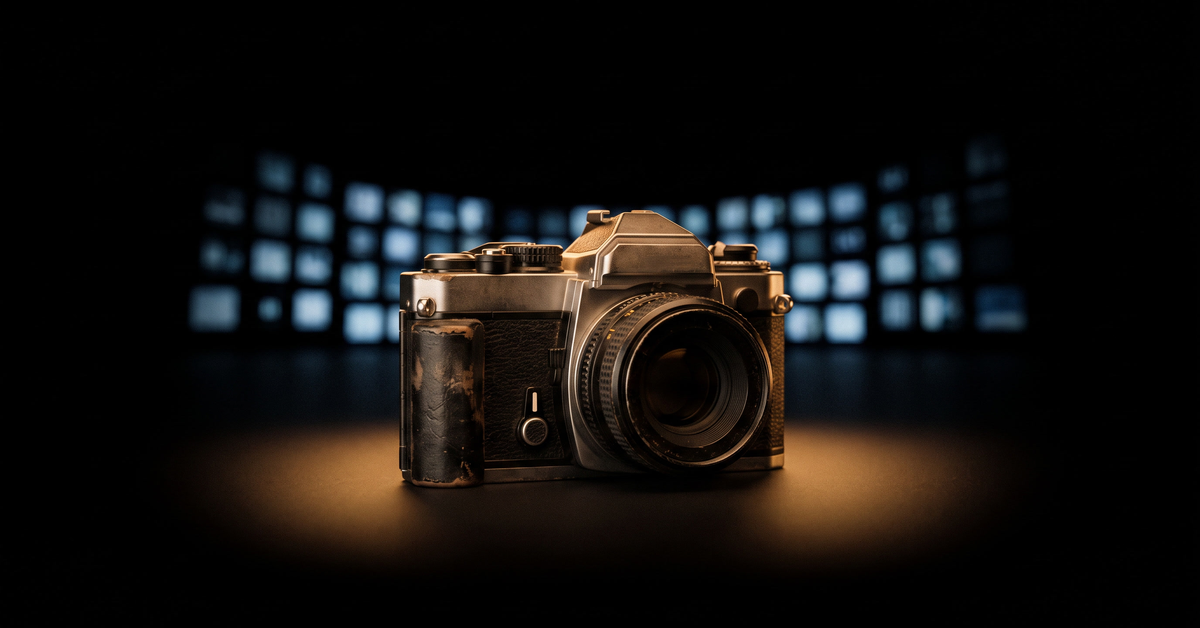
If you are producing visual media, you need to turn off the ring lights and move into the unpredictable, high-contrast shadows of reality, let the camera catch the movement and the grain, make it creative, play with the medium. You cut through the digital white noise not by looking more perfect, but by delivering an unvarnished proof of life that a machine can never replicate.
Stop trying to make your content accessible, digestible, and frictionless for a passive scroll. Build an ecosystem that requires a conscious, high-intent action from your audience to enter, whether that means locking your premium thinking behind private digital gates, hosting unrecorded real-world gatherings, or producing beautiful, tactile physical print that can be held in a human hand. You win the long-term attention war when you stop behaving like a desperate content factory begging for a double-tap, and start operating as a sovereign, slightly unavailable sanctuary for your audience's remaining margins.