If you were active on the internet circa 2011, you remember the peak of the subculture.
I know I do, because I deliciously indulged in every single layer of it.
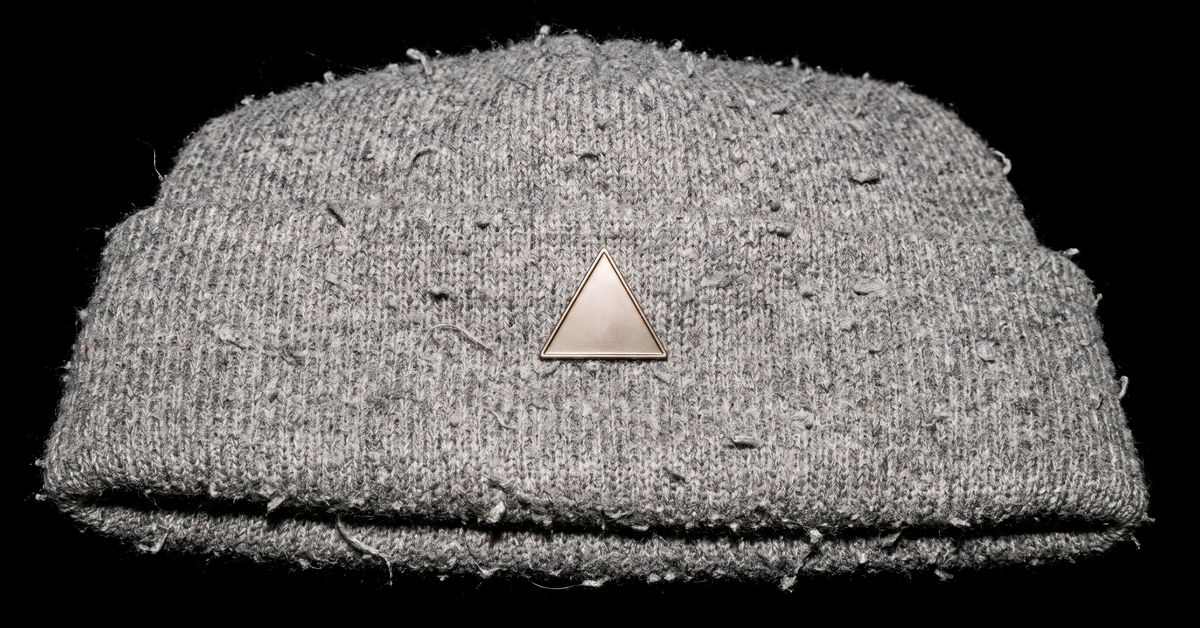
This was the era of the indie hipster. It was a lifestyle defined by a beautiful checklist of cultural markers: the ironic moustache drawn on the inside of your index finger, the oversized beanie worn slouchy in the middle of summer, the beaten-up Vans, and practising vegetarianism long before it was commercially viable.
We decorated our bedrooms with triangles drawn on absolutely everything and traded obscure references to Birdy, early Bon Iver B-sides, and, for some unexplained reason, Harry Potter and the Deathly Hallows. (The elder hipsters had craft-beer and such, but I was 15, soooo this is my experience.)
The last true purists of my kind died out long ago, probably buried somewhere underneath the structural fall of Tumblr. The word “hipster” itself eventually became a dated, slightly embarrassing slur hurled at anyone too millennial, wearing a slightly too-fitted denim jacket.
But I’d like to announce that the hipster didn’t actually disappear. As Eugene Healey recently pointed out: the ghost of hipsters past can be seen quite literally everywhere, because we built the entire damn marketplace in their image.
The Subcultural Blueprint of Mainstream Consumption
What started as an edgy, heavily gatekept counter-culture on the streets of Williamsburg and East London has successfully migrated into the baseline language of global corporate commerce. The very traits the original hipsters used to isolate themselves from the mainstream (an obsessive preference for independence, fierce individuality, manual craft, and historical preservation) have become the core vocabulary of 2026 consumption.
Just look at how a standard consumer brand has to position itself today if it wants to capture a sliver of modern cultural capital. The corporate, mass-produced visual language of the late 20th century is deeply distrusted.
Instead, the food brands are marketing their goods as “fresh, artisanal produce sourced from XYZ,” fashion houses hero craftsmanship, unmistakable quality, the visible hand-stitch, and an uncompromised commitment to timelessness. Even massive software companies and financial fintechs are forced to design their interfaces to feel like niche, independent boutiques.
Video killed the radio star, but the internet didn’t kill the hipster. It commodified their worldview and scaled it across the globe.
Subculture as the R&D Lab for the Mainstream
Now say it out loud for me so I know you get it: subcultures are the research and development laboratories for the mass market.
The mainstream consensus is inherently incapable of generating true originality. By its very nature, mass corporate culture is a flattening mechanism; it takes existing concepts, smooths out the rough edges, eliminates the friction (and meaning) and normie-maxes them so they can be easily digested by millions of people.
True style, innovation, and behavioural shifts always emerge from the margins. They are birthed by small groups of outsiders who tend to run away from dominant trends.
The original hipster subculture looked at the slick, glossy, mall-centred commercialism of the early 2000s, rejected it entirely, and chose to dig through thrift store bins for vintage flannels and listen to vinyl records.
They (re)introduced a layer of friction that the market needed to cure its aesthetic boredom. Once that friction generated enough local energy, corporate scouts stepped in, extracted the semiotic codes, and laundered them into a multi-billion-dollar mass-market playbook.
Tale as old as time.
The YAP Takeaway
The ideas that dominate the mass market today were invented by a handful of quirky, uncompromising teenagers in an obscure corner of the internet 15 years ago.
Maybe it’s time to stop trying to optimise your positioning around the current consensus. Look downward at the margins of reality. Find the subcultures that look slightly bizarre, uncool, or intensely friction-heavy right now, and study the underlying human anxieties driving their choices.
Or maybe, subscribe to what you actually like, in a subculture you’re actually a part of?
Because if history teaches us anything, it’s that the weird subcultural ritual of today is the baseline of tomorrow.