The tea is piping hot in the world of beauty and dupes right now. And the shade, freely given.
I’m sure some of you have seen the video circulating right now of Charlotte Tilbury completely fkn misreading the room when it comes to consumer psychology.
If you haven’t: in a recent interview clip that went viral, Tilbury attempted a top-down defence of her luxury cosmetics empire against the roaring tide of budget alternatives, confidently declaring: “When you dupe a product, you dupe the consumer.”
It was a classic, protective stance. The message was clear: anything less than a $40 magic cream or a $32 lipstick is a cheap, fraudulent imitation that shortchanges the buyer’s experience.
But out in the economically strained digital landscape of late 2026, ya know, the real world, the consumer base didn’t nod along in agreement. They revolted. And my feed is full of the backlash.
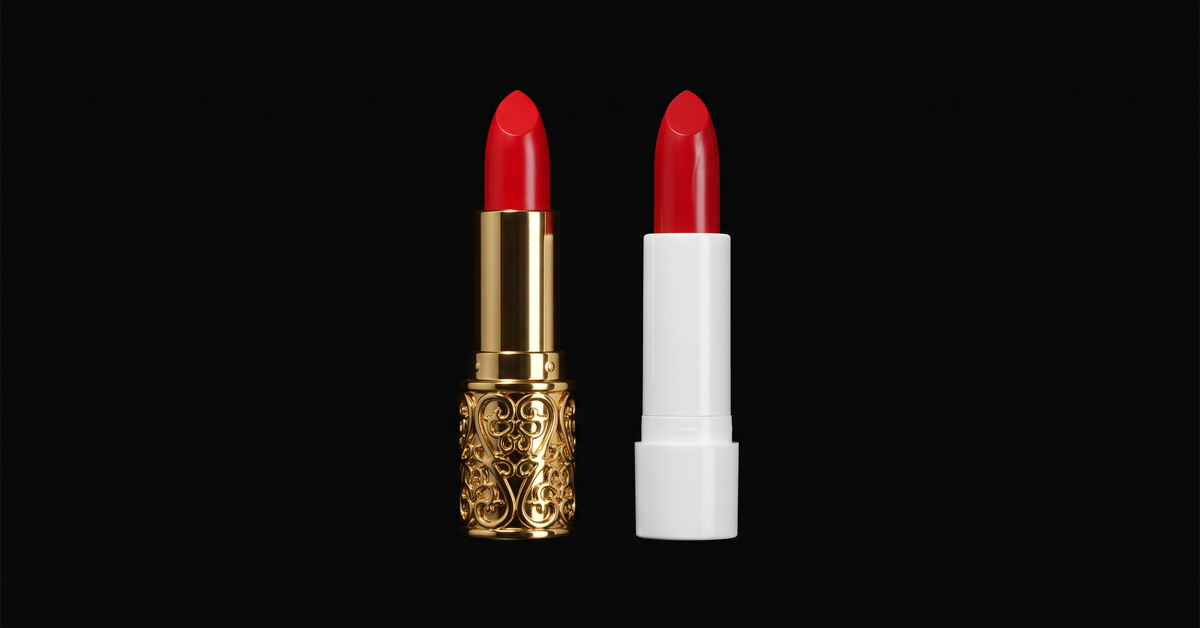
Within hours, Tilbury’s quote triggered a massive wave of counter-content. Hundreds of beauty creators and ordinary consumers rushed to the timeline, not to defend luxury prestige, but to call out the brand’s high price points. And baby, they’re high. All over every platform, I’m seeing videos detailing the exact formulas, shades, and textures of the best Charlotte Tilbury “dupes” on the market, explicitly showing how a $7 drugstore alternative can look nearly identical to her prestige packaging, and function the same way.
The message is simple (and loud): If you are going to have the audacity to charge extortionate prices in an economic climate defined by severe inflation and widespread financial anxiety, don’t attack the budget culture that keeps your industry democratised.
The Democratisation of Aesthetics
The error Tilbury made here was a failure to understand the shifting emotional weight of the beauty sector. To a legacy luxury executive, cosmetics are marketed as an aspirational, exclusive status symbol designed to partition the market between those who can afford luxury and those who cannot.
But modern consumers are fiercely, aggressively protective over their right to have access to high-quality makeup. In their eyes, looking good and feeling confident isn’t a premium luxury reserved for the elite. It’s a baseline human right that belongs to everyone.
When a multi-millionaire brand founder labels budget alternatives as a scam that “dupes” the buyer, it doesn’t sound like a defence of artistic integrity. It sounds like high-brow gatekeeping. It sounds like an attack on the financial realities of the very audience that built her brand’s cultural capital.
A simple, graceful, and classic reframe like “imitation is the ultimate form of flattery, but our proprietary formula remains unmatched” would have easily sufficed to protect her ‘premium’ positioning without alienating the masses. Instead, by launching some kind of anti-dupe crusade, she gave her community a common adversary to rally against, and finding a budget alternative turned from a simple cost-saving measure into an act of consumer rebellion (and a sprinkle of pettiness).
The Stacking Weight of Reputation Cracks
What makes this particular viral backlash so damaging for the Charlotte Tilbury brand is that it didn’t hit in a vacuum. It landed right alongside a separate shift: the subtle removal of the cruelty-free label from her products.
Consumers today are not dumb. Nor do they refuse to be ignorant. They track ingredient sourcing, monitor animal testing compliance, and can spot a hand-washing pivot from a mile away. When a brand simultaneously attacks budget-conscious alternatives and steps back from ethical sourcing certifications to chase broader global distribution, its image is inevitably going to tarnish.
The whopping price tag on a luxury cosmetic item is never just a reflection of the raw materials inside the bottle, but the consumer’s willingness to pay an emotional premium to align themselves with the brand’s identity, ethics, and lifestyle narrative. The second a luxury brand makes its community feel judged, financially exploited, or ethically compromised, that emotional premium evaporates. And all of a sudden, your consumers are looking at the product as what it really is: a coloured paste in a plastic tube that can easily be replaced by a drugstore alternative for a fraction of the cost, without the need to test on animals, mind you.
The Takeaway
If you’re going to price as premium, you need to have humility and community alignment, not defensive gatekeeping. We’ve got to accept that in a transparent, decentralised digital marketplace, copycats are an inevitable reality of success.
So maybe focus your marketing on proving your unique material integrity, celebrating your community, and letting your product’s performance do the talking. If your brand’s value proposition cannot survive a consumer comparing you to a cheaper alternative, the problem isn’t the dupe; it’s your substance.