We like to comfort ourselves with the cutesy little narrative that artificial intelligence is simply a sophisticated new utility. Just a highly advanced digital shovel that we have engineered to handle the mundane, repetitive friction of our professional lives. No big deal, simple as that.
We walk into our workspaces, log into our enterprise dashboards, and talk about how we are leveraging technology to optimise our workflows, streamline our communications, and maximise our creative output.
We look at the software models from a position of supreme, unquestioned species dominance, confident that we are the absolute architects and masters of the machine.
But can we just critically observe how human behaviour has mutated over the last twenty four months. Yeah.
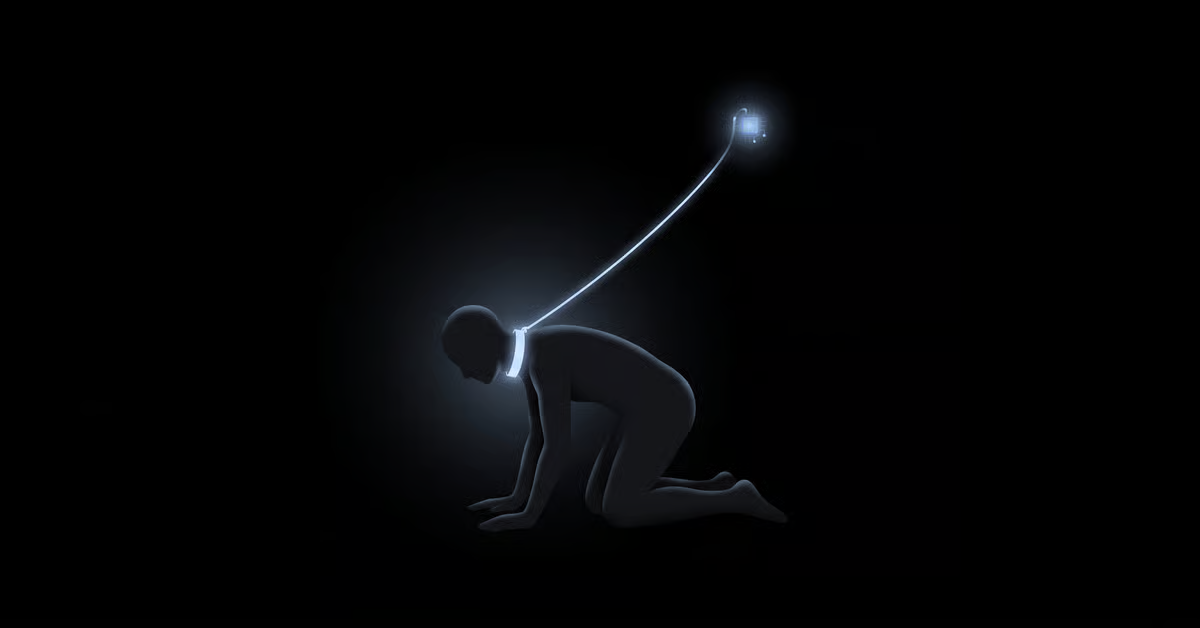
A deeply eerie, terrifying alternative question emerges. Are we at risk of becoming AI's domesticated pets?
Think about how a dog or a cat experiences life inside a human household. They are provided with reliable shelter, their immediate nutritional needs are met without physical labour, and they are kept completely safe from the harsh, unpredictable physics of the wild. In exchange for this total insulation, their behaviour is systematically managed, monitored, and house trained. They learn to respond to highly specific verbal prompts, they alter their natural rhythms to fit a human schedule, and they perform specific tricks to receive a temporary reward.
They are loved, they are comfortable, but they have completely surrendered their biological and operational sovereignty to a higher intelligence that manages their entire reality.
Sound familiar?
Now, look at how the modern professional interacts with the digital panopticon every single day. It alters the way we write, speak, and think just to make our ideas more legible to a data scraping platform algorithm. We monitor our vocabulary, self censor our contrarian opinions, and structure our creative assets to match the strict, pre optimised parameters that a black box software pixel demands.
It is like performing specific, repetitive tricks in a digital backyard, generating text carousels, using trending audio hooks, and chasing engagement metrics, simply to receive a transactional flash of validation from a machine. The algorithm doesn't adjust its code to understand our complex human nuances. No. We deform our own humanity to please the code.
The tech conglomerates are successfully building a frictionless, hyper automated environment designed to eliminate every single layer of struggle, thought, and manual effort from our daily lives. They want to automate our copy, write our emails, script our videos, and schedule our rest cycles, insulating us inside a pristine, pink and blue velvet cage of convenience.
But when you outsource your cognitive, analytical, and creative labour to a network of server racks, your mental capacity naturally begins to atrophy. Which means we are willingly trading our cognitive sovereignty for a state of passive, comfortable compliance, transforming ourselves into a domesticated workforce whose only remaining utility is to maintain the infrastructure, feed the data pipelines, and keep the machine clean.
This is the ultimate, silent capture of the human spirit.
We are so busy celebrating the efficiency of our automated helpers that we are completely blind to the collar being quietly slipped over our necks.
I don't know about you, but I refuse to roll over.