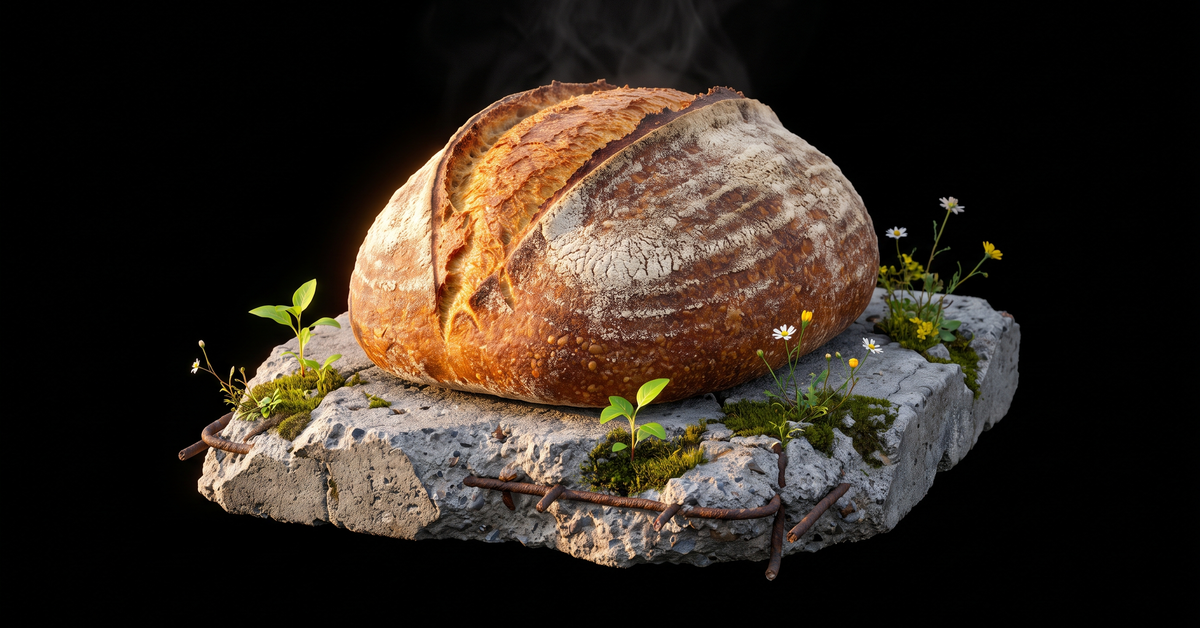
Look, I love a good dystopian narrative as much as the next guy; trust me, I do. But holy shit, at some point we’ve got to think, “hmmm, are we overdoing the bleak, and uber violent, deeply stressful thing a littttle?”
Me thinks yes.
Like yes, ok, I like to sometimes watch societies collapse in 4K or run from zombies while my heart pounds through my chest and I grip the controller for dear life. Sometimes.
But as the real world has become increasingly complicated and ambiently anxious, and dystopia seems like, not so far away, consumer tolerance (it’s me, I’m consumers) for unadulterated dread has hit a sharp point of diminishing returns.
Audiences don’t want to escape their stressful days by stepping into an even more stressful simulation (go figure).
And thus, the “Cozy Apocalypse” has been born: a narrative framework where the world has technically ended, or structural systems have broken down, but the focus shifts entirely away from violence and toward domesticity, healing, and small-scale community resilience.
A world where characters spend their time baking artisanal sourdough bread in the ruins of civilisation, organising dusty libraries in abandoned towns, or planting community gardens inside empty concrete stadiums. It acknowledges a changing world, but wraps it in thick layers of comfort, tactile warmth, and human connection.
The Rise of Low-Stakes Sanctuary
Look no further than the meteoric, cross-platform success of properties like Animal Crossing: New Horizons during global isolation, or more recently, the explosive popularity of cozy simulation video games like Palworld or Stardew Valley-inspired indie hits where players manage farmsteads in strange, untamed landscapes.
Even in mainstream television, consider how the hit adaptation of The Last of Us achieved its highest critical acclaim not for its action-heavy sequences, but for Episode 3; a deeply tender, isolated, decades-long love story about two men building a self-sustaining, beautifully manicured sanctuary of wine, strawberries, and classical music amidst a fallen world (I’m not still crying, you are.)
This trend is a massive psychological indicator for modern consumer desires. The modern buyer is fully aware of macro-economic strains and environmental shifts. They aren’t looking for toxic, escapist positivity that pretends these problems don’t exist. Rather, they are craving media and environments that show how human beings can find peace, agency, and deep comfort within a chaotic landscape.
The humans yearn for low-stakes predictability and high-fidelity texture.
The Antidote to Corporate Panic
For marketers and product designers, the success of the Cozy Apocalypse framework provides us with a masterclass in emotional positioning. When brands want to talk about sustainability, ethical sourcing, or challenging economic times, the corporate reflex is often to lean into loud panic or clinical messaging.
Ahhhhh melting ice caps!! Aggressive warning sirens!!! Stern dictates about the future!!!!
This approach is increasingly driving consumer avoidance. To connect with a maxed-out mind, your brand needs to stop acting like a warning light and start acting like an emotional sanctuary.
Look at how progressive direct-to-consumer lifestyle brands are adjusting. Companies like Pangaia or Snow Peak don’t market their technical apparel or environmental initiatives through the lens of survivalist fear. They frame their products around rugged comfort, localised utility, and the simple joy of connecting with nature and community. They focus on the slow, beautiful, tactile solutions rather than the overwhelming scale of the macro-problem.
The Takeaway:
When the cultural background noise is deafeningly loud, the brand that whispers comfort will always hold the room. Review how your business communicates its mission, its sustainability goals, or its responses to industry shifts. Strip away the corporate panic, the frantic urgency, and the sterile warnings. Reframe your narrative around slow solutions, small-scale human connection, and localised utility. Give your audience an aesthetic and emotional blanket to wrap themselves in, and show them how your substance can help them navigate a complex world with sanity and grace.
In a world with increasingly unsafe spaces. Be somebody’s safe space.