Let’s burn the fitness trackers, delete the meditation apps, and temporarily pause the entire optimisation scorecard.
Most of our wellness routines are identical at this point: we count our steps, log our sleep cycles on smart wearables, and try to hack our way into cool, calm, collected with breathwork tutorials. We’ve turned basic human survival into a stressful data-entry job, assuming that if we just monitor enough internal metrics, our minds will finally quiet down.
Yet, a landmark public health report suggests that the truest antidote to our collective mental fry sits inside a local municipal building we routinely ignore.
The UK national charity Art Fund, collaborating with researchers at University College London, recently introduced an entirely different kind of metric: the RDA, or Recommended Dose of Art. The directive is refreshingly analogue: spending a minimum of 60 minutes a month looking at original artifacts or paintings inside a physical museum can radically alter your biological resilience.
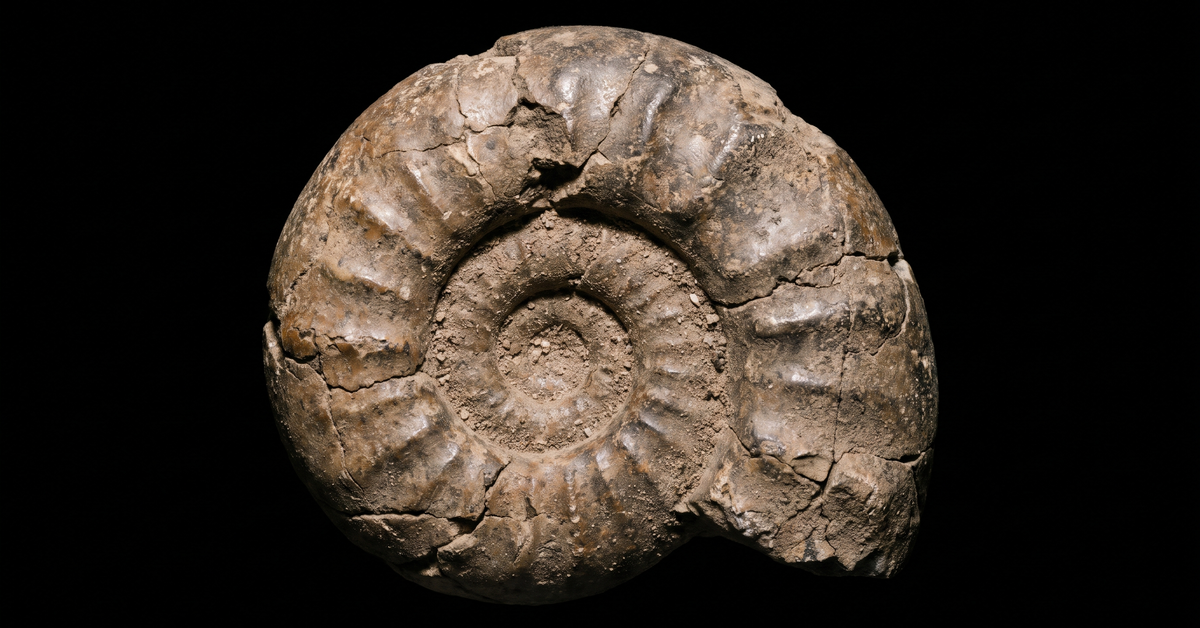
So, it’s not in fact, touch grass, but perhaps touch a dinosaur fossil, or something.
The data behind this is staggering. Longitudinal research tracking adults over a decade shows that hitting this simple 60-minute threshold almost halves the risk of developing clinical depression.
Regular gallery visits are directly correlated with lower levels of senior isolation, a noticeable deceleration in cognitive decline, and a diminished long-term risk of developing dementia.
This isn’t some airy, superficial lifestyle tip; it’s genuinely a defensive health requirement.
Why the Brain Rejects the Screen Shortcut
The immediate question that comes to mind, is why an old woolly mammoth tusk or an oil painting can pull your nervous system back from the edge when a digital reproduction cannot. After all, you can pull up a high-definition image of a Van Gogh on your laptop right now. The visual data is identical.
But I think we all know why.
A controlled study co-funded by Art Fund and the Psychiatry Research Trust proved that your endocrine system instantly recognises the digital imitation.
When researchers tracked participants viewing original masterpieces inside London’s Courtauld Gallery versus a control group looking at exact digital replicates on a monitor, the biological data diverged. Viewing the authentic art in person triggered an immediate 22% average drop in cortisol, the body’s primary stress hormone. The digital screen group? A mere 8% drop.
Separate clinical findings published in Brain, Behaviour, and Immunity confirm that physical encounters with history change the body’s autonomic and inflammatory systems, actually lowering systemic inflammation.
The mechanism at play here is spatial awe. When you step into a museum and truly feel the physical scale of the room, the texture of the materials, and the gravity of an ancient object, those things force your brain out of its automated loop. The screen keeps you trapped in the present; the gallery stretches your perspective across cultures, and timelines.
The Under-Utilized Cultural Sanctuary
The real tragedy of this research is how blind we’ve become to the infrastructure right under our noses. The report’s wider survey reveals that a staggering 89% of adults fail to meet this 60-minute monthly threshold. Only 17% of us recognise a museum as a place for well-being, and a wobbly 7% understand its physical health benefits.
We will gladly spend hundreds of dollars on continuous glucose monitors or bio-hacking supplements while leaving the free public galleries empty.
This behaviour highlights a profound lesson about the velocity of modern life. We have optimised for a digital reality that is transactional and infinite, constantly feeding our attention to feeds designed to keep us ambiently panicked.
A museum operates in the opposite way: it introduces relevance through slowness. It is a space where you cannot swipe, where there are no ads, and where the value of an object is anchored strictly in its absolute truth and physical scarcity.
The YAP Takeaway
Your brain cannot survive an infinite digital simulation, and a smartphone screen cannot heal the anxiety that the smartphone itself created. If you are feeling deeply drained, stop looking for a digital fix.
Pick a day this week, leave your phone in your pocket, walk into a local museum, and stand in front of something that has managed to survive the utter chaos of history. It isn’t a passive leisure activity; it is a data-backed piece of self-defence.
Plus, it makes you a little cultured.
And I don’t wanna see NONE OF Y’ALL turn it into a reel. Ok love you bye x