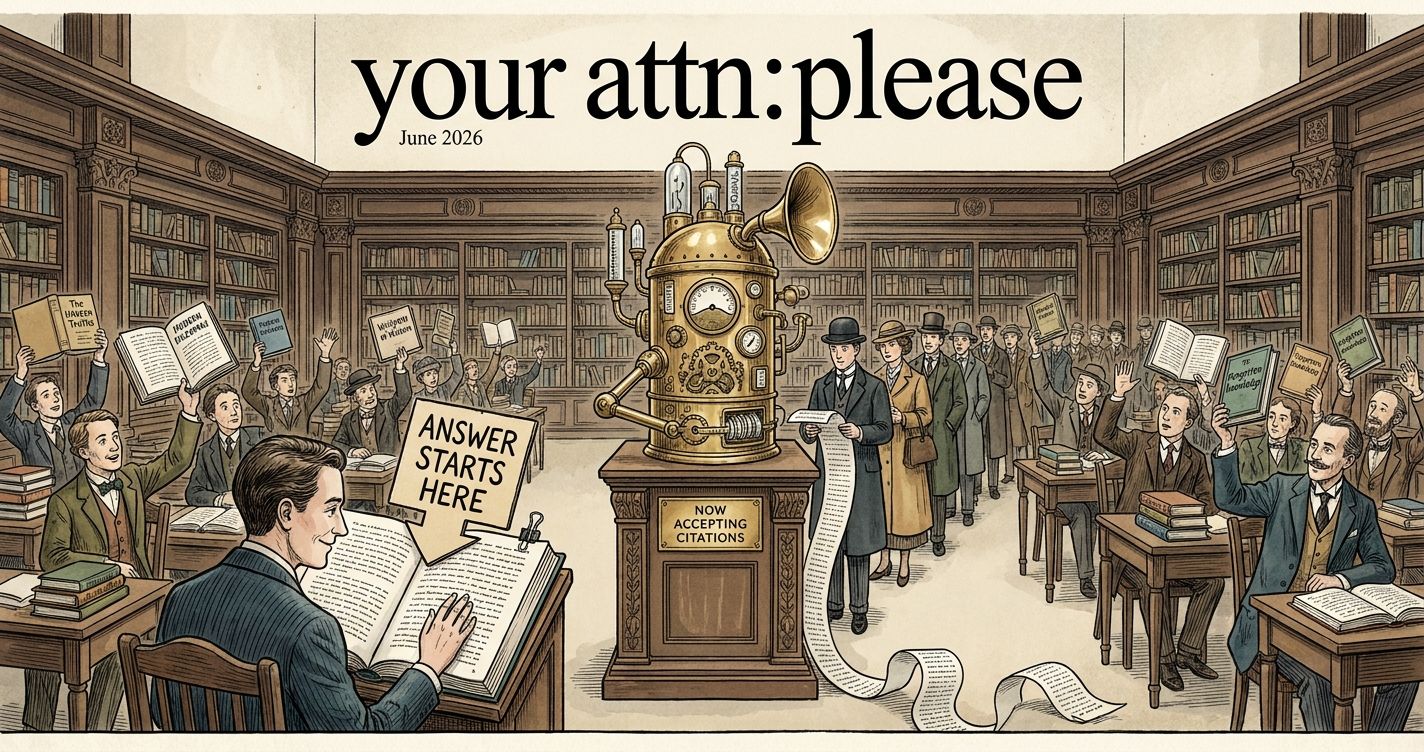
GEO stands for generative engine optimization. It is the practice of getting your content quoted inside AI answers from tools like ChatGPT, Perplexity, Gemini, and Google's AI Overviews. Classic SEO earns a rank in a list of links. GEO earns a mention inside the answer the AI writes for the user.
I run a social media and education brand in New Zealand, and over the last year I watched a quiet shift. Fewer people clicked through to read. More just asked an AI and trusted what it said. If your brand is not in that answer, you do not exist to them. This guide explains what GEO is, how it differs from SEO, and why it matters right now.
What is GEO?
GEO is generative engine optimization. It is the work of making your content easy for AI engines to find, trust, and quote. When someone asks ChatGPT or Perplexity a question, the AI writes an answer and often names its sources. GEO is how you become one of those named sources instead of being left out.
The name sits next to SEO on purpose. SEO optimises for the search engine that ranks pages. GEO optimises for the generative engine that writes answers. Same idea, new target. You are still trying to be the trusted source. The difference is where you show up.
A simple way to hold it:
- SEO asks "does the engine rank my page in the list?"
- GEO asks "does the engine quote my page in the answer?"
How GEO differs from SEO
GEO and SEO share roots but reward different things. SEO wins a click from a ranked list. GEO wins a citation inside an AI answer, often with no click at all. SEO leans on keywords and backlinks. GEO leans on extractable answers, real data, and trust signals the AI can verify.
Here is the difference laid out plainly.
| | Classic SEO | GEO |
|---|---|---|
| Goal | Rank in a list of ten links | Get cited inside one AI answer |
| User action | Clicks through to your site | Often reads the answer, never clicks |
| Wins on | Keywords, backlinks, meta tags | Data, definitions, structure, brand mentions |
| Query shape | Short keywords | Long conversational questions |
| Measured by | Impressions, clicks, rank | Citation rate, share of model |
The two overlap. Strong topical authority and real expertise feed both. A page Google already trusts is a page AI is more likely to quote. You are not throwing out SEO. You are adding a new layer on top of it.
Why GEO matters now
GEO matters now because the click is disappearing. Industry research in 2026 shows the majority of searches end with no click. People read the AI answer and stop. If you are not the source that answer pulls from, your perfect page might as well not exist for that searcher.
Three things changed fast.
- AI answers moved to the top of search. Google's AI Overviews now sit above the old list of links. The answer comes first. The links come second, if at all.
- People started asking questions, not typing keywords. They speak to the AI in full sentences. Your content has to match how they actually ask.
- Trust moved to the AI. Many people now treat the AI answer as the answer. They do not scroll to compare ten sources. They take the one they are handed.
That means the prize is no longer just rank. The prize is being the brand the AI names when someone asks "who is the best at this in New Zealand?" Win that, and you win the customer before they ever see a competitor.
The fastest GEO wins
You do not need to rebuild your whole site. A handful of moves do most of the work. These are the ones research points to again and again.
- Answer the question in the first two sentences of every page. AI lifts that direct block to quote. Bury it and you lose.
- Put a clear definition near the top for your main term. AI cites clean definitions often.
- Add real, specific data. A Princeton study on generative engines found that adding statistics, quotes, and cited sources lifted a page's visibility in AI answers by up to 40 percent. Numbers beat adjectives.
- Structure for extraction. Short paragraphs, question-style headings, bullet lists, comparison tables. AI parses these cleanly.
- Add an FAQ section that mirrors real prompts. Direct question-and-answer pairs match what people type.
- Mark it up with schema. JSON-LD tags like Article, FAQPage, and Organization help the AI understand what your page is.
The local angle for Kiwi brands
For a New Zealand business, GEO is a rare early edge. Most of your local competitors are still doing basic SEO and have not touched AI search at all. The category is wide open here. The first clear, well-sourced, answer-first brand in a niche tends to become the one the AI keeps quoting.
Keep your brand name and facts consistent everywhere online. Same details on your site, LinkedIn, directories, and reviews. That consistency is how the AI's knowledge graph learns who you are and grows confident enough to recommend you. Start now, while the door is still mostly empty.
Frequently asked questions
What does GEO stand for?
GEO stands for generative engine optimization. It is the practice of getting your content quoted inside AI-generated answers from tools like ChatGPT, Perplexity, Gemini, Copilot, and Google's AI Overviews. The goal is to become a named source the AI trusts and cites, rather than just a link in a ranked list.
Is GEO the same as AEO?
They overlap heavily. AEO is answer engine optimization, focused on becoming the direct answer to a question. GEO is generative engine optimization, focused on being quoted by generative AI tools. In practice the moves are nearly identical: answer first, define clearly, add data, structure for extraction, and use FAQ schema.
Do I still need SEO if I do GEO?
Yes. SEO and GEO work together. A page that already ranks well in Google is far more likely to be quoted by AI, because engines like Google's AI Overviews lean on trusted, high-ranking pages. Drop SEO and you weaken your GEO. Build both on the same well-made content.
How long does GEO take to work?
It varies, but GEO can move faster than classic SEO in an open niche. AI engines favour fresh, well-structured, well-sourced content, so a sharp answer-first page can start getting cited within weeks. Keep pages updated on a regular cycle, since AI strongly favours current sources over stale ones.
What is the first GEO step for a small business?
Take your most important page and rewrite the top to answer the core question in two sentences. Add a definition for your main term, two or three real stats with named sources, and an FAQ built from questions customers actually ask. That one page now becomes far easier for AI to quote.