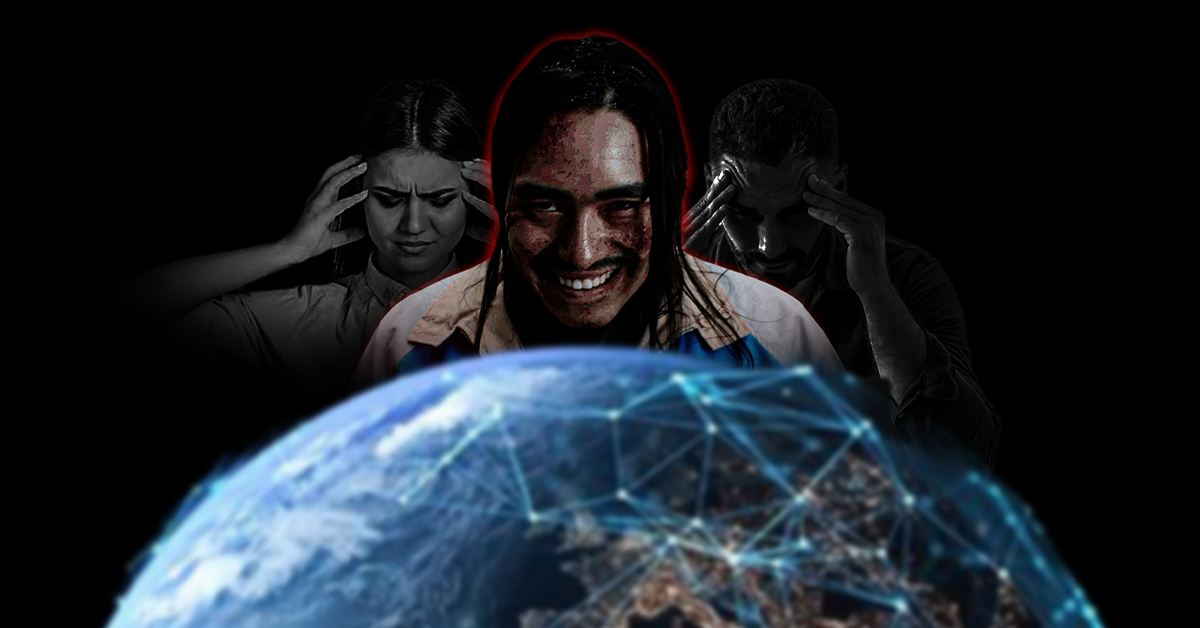
Remember the good old days when worrying about Nigerian princes in our spam folders was the dodgiest part of being online?
Today, the reality of engaging with the internet looks incredible different.
Dodging hyper-realistic AI voice clones of our loved ones, deepfakes designed to swing global elections, and algorithmic slot machines engineered to hold our attention hostage until 3am are just a few things we’re dealing with.
Internet predators are sophisticated syndicates using generative tools to blur the lines between real and fake, scams are running rampant and misinformation spreads six times faster than the truth. And all of this is happening on the most addictive piece of technology ever engineered, which is actively taking a toll on our collective mental health.
As marketers, creators, and builders of the digital landscape, it is easy for us to look at engagement metrics and celebrate a win. But we need to look closer at the collateral damage. Media literacy is both an important school subject and an active act of digital self-defence, and we need it now more than ever.
Pixels can no longer be trusted
Generative AI means that a fabricated screenshot, a cloned audio clip, or a synthetic video looks pretty much identical to reality. The old rules of thumb, like "look for the verified checkmark" or "check the image quality" are completely obsolete.
When everything can be faked, the human brain gets tired. This "digital fatigue" causes users to withdraw. The noise is becoming so loud that people are actively seeking out "signalmaxxing", the ultimate modern luxury of finding spaces with zero algorithmic manipulation. Alternatively, if we keep optimising our content for raw shock value, we are just contributing to the toxic sludge that makes users (me) want to throw their phones of the nearest cliff.
Manufactured reality
It’s also not just the AI bots we have to worry about - it’s the goddamn humans too.
We've entered a bizarre timeline where real creators are intentionally staging reality for financial gain. You’ve definitely seen the overly dramatic Facebook prank videos that feel just a little too rehearsed, the highly coordinated TikTok "couples' drama" that magically resolves right before a product launch, and the blatant rage-farming tweets and Threads designed specifically to make you angry enough to leave a comment.
When algorithms reward watch-time and comment volume above all else, conflict becomes a huuuge commodity. Creators are betting on our emotional reactivity, because they know that if they can trick you into arguing in their comment section, the algorithm will push their content to millions more. It’s a highly calculated performance, and our genuine human empathy is the fuel.
When both the technology (AI) and the people (influencers) are faking it, the entire digital ecosystem suffers from a profound lack of authenticity. It turns the internet into a giant game of spot the grift, leaving consumers cynical, guarded, and not to mention, completely burnt out.
This is your 3-step digital defence list
Before we can even start to build a better internet for our audiences, we have to protect our own sanity. Here is how to practice high-level media literacy today:
- Enforce a 30-second emotional buffer: Algorithms weaponise outrage. If a piece of news makes you instantly furious or triumphant - pause, b*tch. That emotional spike is exactly what the code was engineered to trigger. Breathe before you share.
- Trace the provenance: Never trust a screenshot of a headline or a tweet. Look for the original source. Check for cryptographic watermarks or verified press releases. If you can’t find the source (and I can’t stress this enough) treat it as fiction.
- Audit your echo chamber: The most dangerous lies are the ones we want to believe because they fit our worldview. Intentionally seek out opposing viewpoints to see how information is being spun across different demographics.
Truth as the ultimate growth strategy
If you want a less toxic digital world, you have to stop producing synthetic spam.
When the internet becomes a minefield of scams and deepfakes, the consumer's most valuable asset is trust. Audiences are fleeing polished, hyper-optimised corporate speak and craving radical transparency, raw human mistakes, and verifiable truth. You can choose to protect your audience’s attention - not exploit it.
Stay safe out there, soldiers x
-Sophie Randell, Writer