Call me a sucker for a snobby artisanal brand. Because I am. And that’s why I pay $8.50 for Maldon Sea Salt from my tiny little independent grocer on Ponsonby Road.
The quality is unmatched.
Or so I thought — everybody thought, for 144 years. Until now.
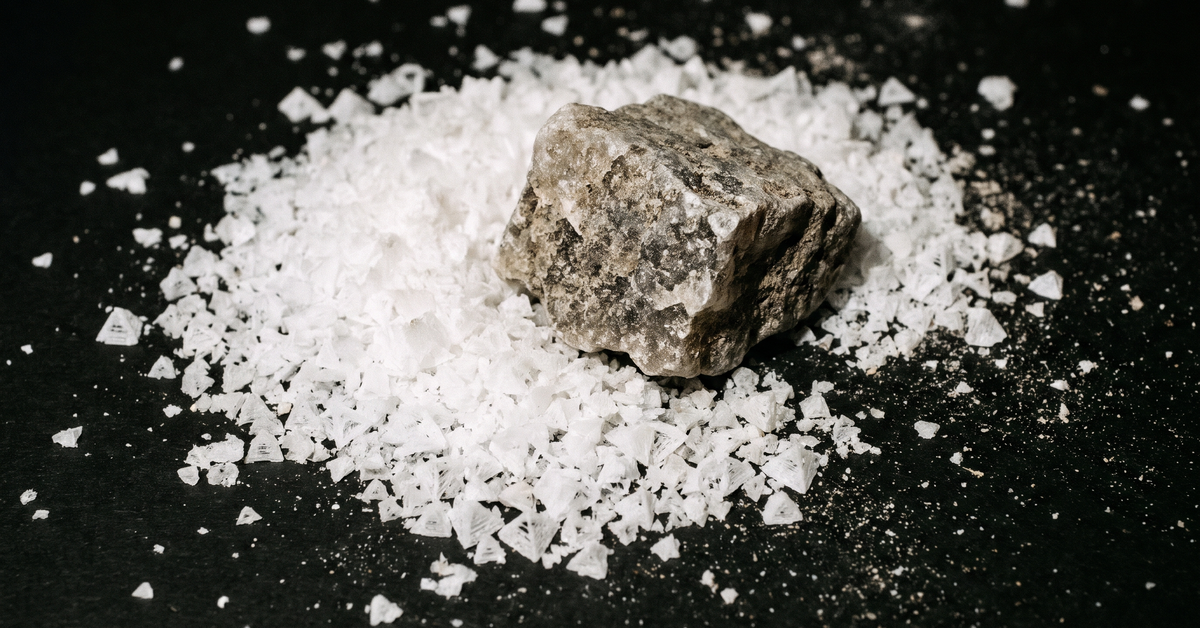
The British heritage brand built its empire around a romantic, local origin story: delicate, pyramid-shaped salt crystals hand-harvested from the coastal waters of the Blackwater Estuary in Essex.
Home cooks like myself gladly pay a hefty premium over standard table salt because Maldon sells more than sodium: it sells craft, provenance, and old-world tradition.
Just a few days ago, however, its pristine artisanal image hit a major credibility wall. An investigative report in The Observer revealed that Maldon’s flagship "100% sea salt" isn't purely harvested from local English seawater. Instead, the company imports industrial quantities of German rock salt, dissolves it into local estuary water to create a concentrated brine, and then heats it to crystallise the famous flakes.
Once the story hit Reddit and food TikTok, home cooks immediately called foul, accusing the brand of selling a quaint coastal fairytale while industrialising its supply chain behind closed doors. Redditors are even calling it Saltgate — so if you haven’t gathered by now, it’s a big deal in the culinary world. And people are upset.
Particularly the status salt community. As per one Redditor:
“For people who don’t get why this is an issue - yes, the salt tastes the same, it’s tasty salt, that hasn’t changed. But the problem is charging a higher price based on it being ‘sea salt’, suggesting it’s a premium product - they make millions of pounds in profit. We can’t allow companies to lie to us at all, ever. If we do, we’re just letting the wheels of enshittification run on and on and companies will continue to cut corners to take our money. We need stronger regulations that demand businesses are fully transparent about their practices. It feels deceptive. We can and should want more from companies.”
The Perils of the Provenance Trap
Now look, I know there is nothing inherently unsafe or low-quality about German rock salt, and Maldon’s flakes still perform brilliantly on top of a chocolate chip cookie or a steak (like, so good, iykyk). But the backlash has nothing to do with how the salt tastes and everything to do with narrative betrayal.
Consumers want to feel connected to where their food comes from, and that want has been a huge driving force in the way we look at food products, and the way they’re sold. So, if your brand charges luxury prices by leaning into romanticised heritage and rustic manual craft, buyers take those claims literally.
Because why wouldn’t they? If that’s what you’re telling them.
Discovering that your "artisanal coastal sea salt" starts its journey in a central European mine feels like finding out your favourite farm-to-table restaurant buys its produce from a wholesale depot. The product might be identical, yet the magic evaporates the second the backstory unravels.
Why It Matters
If your brand is built on artisanal storytelling and origin transparency, cutting corners behind the scenes turns your strongest selling point into a glaring liability. Modern shoppers are relentless fact-checkers; if the reality of your supply chain doesn't match the poetry printed on your box, the internet will eventually expose the gap.