Idk about y’all, but I have major guru fatigue.
Out of all the things that we could be (and are) fatigued by on the current sh*tstorm that is the internet, these self-proclaimed experts have to be the most exhausting.
If I have to read one more essay-length caption from founder who thinks they’re the first founder to ever exist, the founder of founders if you will, I will go insane. And make LinkedIn liable.
You know the exact format I’m referring to. It usually begins with a dramatic hook like, “Yesterday, I fired my top performing salesperson. Here is why it’s going to benefit me.” Or a carousel breaking down the "five morning habits that made me a millionaire before breakfast."
For the past few years, this style of performative thought leadership has been the undisputed gold standard for building a personal brand on platforms like LinkedIn.
It was optimised for algorithmic reach, generating thousands of superficial impressions and praise emojis from strangers.
But as we scroll through our feeds today, we are witnessing a massive wave of audience exhaustion. Obviously. It’s like being on a date with that guy that won’t stop telling you about his fintech company and hasn’t let you speak for the last 45 minutes.
For a massive segment of the professional world, the self-appointed expert who spins every mundane life event into a profound business lesson has completely lost their lustre.
A powerful subculture of scepticism has taken root, and it’s slowly changing what authority looks like online.
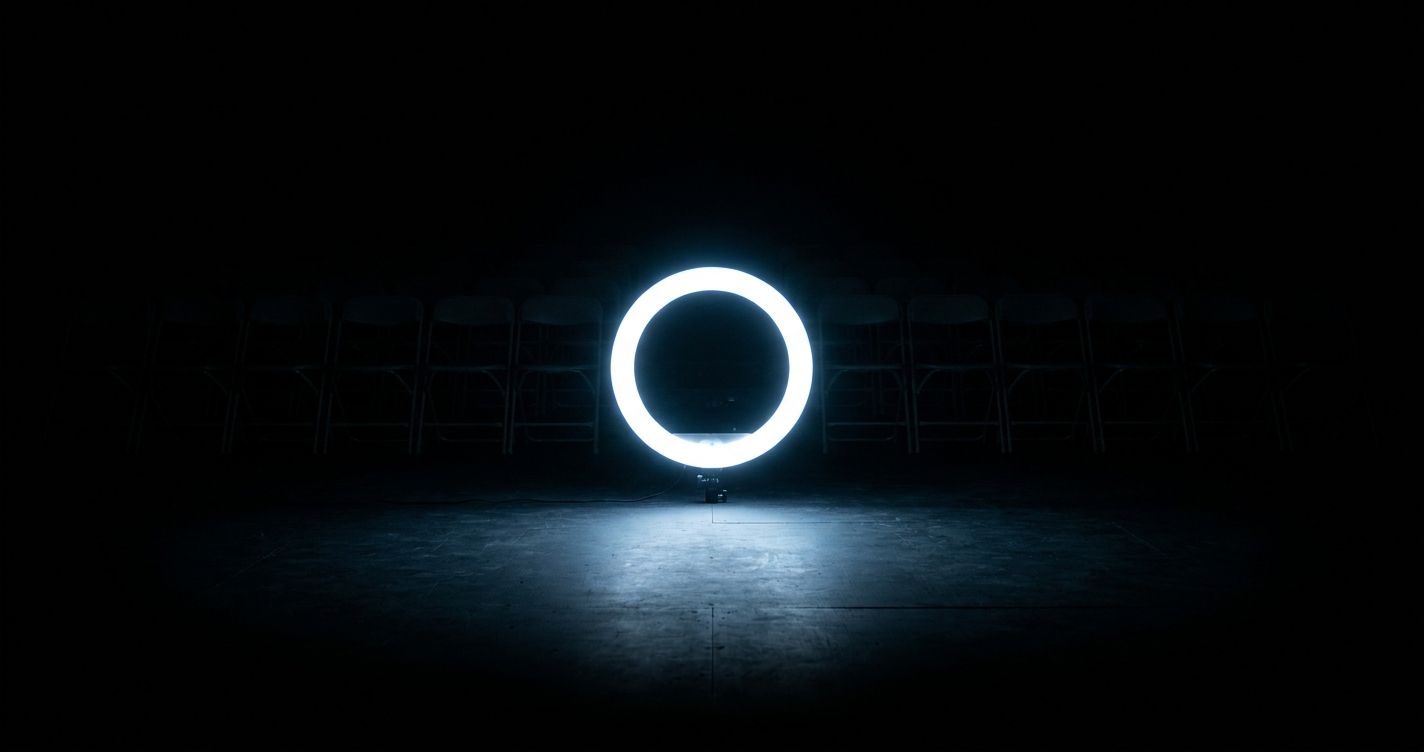
The rapid decline of the generic thought leader comes down to a hyper-saturated market. Now everyone has a ring light, a smartphone, and access to a generative text tool that can churn out a flawless, structured breakdown on any topic in three seconds. And so the appearance of wisdom becomes incredibly cheap.
We have entered a phase where performative confidence is no longer automatically equated with actual competence.
Audiences are rapidly adapting their internal filters to separate the talkers from the builders. The creators and executives currently commanding the highest level of respect aren't the ones posting constant manifestos about "the hustle."
Instead, the market is shifting its attention toward the people who share raw, un-massaged data. Transparent case studies that include the failures. And granular insights that can only be earned through real-world execution.
We are moving away from the era of the grand proclamation and entering the era of verifiable proof.
Because it’s hard to trust anything on the internet these days. Let alone delusions of grandeur.
The new blueprint for corporate authority:
Trade the philosophy for the spreadsheet.
It’s time to start shifting your personal brand content away from broad, high-level business philosophy. Start sharing the actual, granular mechanics of your work. Post the screenshot of the campaign analytics. Explain the exact operational bottleneck you solved this week. And let the real numbers do the talking. Like, it really is that simple.
Document the friction, not just the win.
True thought leadership is about being honest, not just right. Sharing a tactical mistake your team made, or even YOU made, and the specific, painful process you went through to fix it. This builds a level of authentic brand trust that a flawless corporate press release can never replicate.
De-escalate the drama.
Put down the hyper-dramatic, clickbait hooks. It’s so cringe. Speak to your audience like you would speak to a respected peer in a boardroom. Lowering the volume of your delivery instantly makes your insights stand out in a feed that sounds like the inside of a conference for douchebags.
The professional landscape is clearly craving a return to substance.
The executives and high-value clients with the massive budgets aren't looking for online motivators and gurus… They are looking for highly capable partners who can help them solve complex, structural problems.
Just take a second before you post that self-help-optimisation-maxxing bs. Consider deleting the inspirational conclusion. Replace it with a raw piece of data or a practical, unvarnished insight from your day.
You don’t always need to tell the world how smart you are. Just show them the work.
I promise you it’s more valuable.
-Sophie Randell, Writer