For the last six to eight months, my feed has been very Chinese.
Let me explain.
It’s like a small private joke that the entire internet caught on to. And everybody all of a sudden wants in; they want to be Chinese.
At first, it felt like just another meme. Internet humour doing its weird, inscrutable thing. It started with actual Chinese "good fortune" content, “send this to yourself to affirm” type stuff.
Then, as people really started to get into it, it became a “very Chinese time” in everyone's lives.
I thought it would be a niche trend. But the more I watched, the more I realised: this isn't just jokes. This is genuine cultural adoption happening in real-time.
And it's one of the most fascinating marketing and cultural phenomena I've seen in years. Maybe even in my entire life.
The memes were merely the entry point. But look at what's actually happening beneath them.
Gua Sha has gone from niche traditional Chinese medicine to something your friend's mom does while watching Netflix. Lymphatic drainage techniques are all over beauty TikTok. Chinese cooking styles - the teas, the broths for collagen, the specific ingredient combinations - have all become mainstream wellness practices.
Even the superstitions. Last week's Lunar New Year was genuinely celebrated by Western brands, and basically everybody online. People who've never even observed it before were posting about the Year of the Fire Horse. They were talking about lucky colours, warning not to wash your hair or take out the trash in fear of washing or throwing away wealth, sharing traditions, recipes, the whole shebang.
What I thought was surface level trend hopping is actual cultural integration happening through social media. Mind you, at a scale and speed we've never seen before.
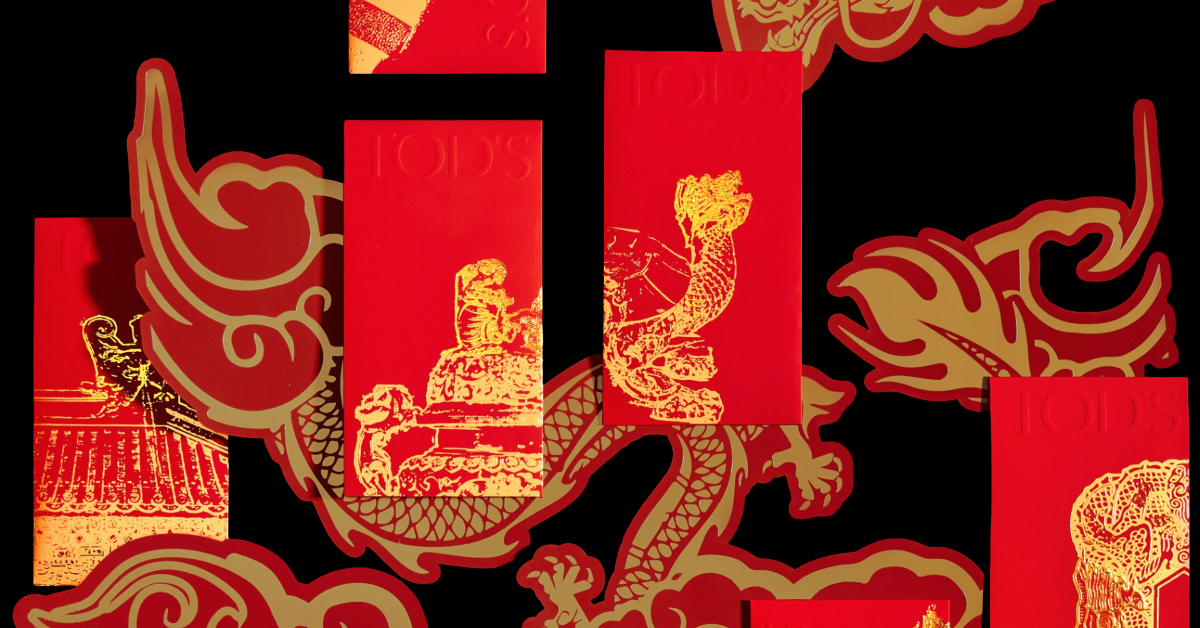
I think the most prominent example of this has been the way brands integrated the Lunar New Year into their marketing this year.
Stanley - yes, the viral tumbler brand - released a limited-edition Quencher with a red stallion specifically for the Year of the Fire Horse. It sold out, of course.
Lush Cosmetics created an entire collection of bath bombs and body care with mandarin and camphor. And this was planned eight months in advance. Burberry, Staud, Dior - luxury brands that traditionally only acknowledged LNY in Asian markets - went all-in for Western audiences.
Brands are treating Lunar New Year as a legitimate marketing beat.
They're investing real resources, planning nearly a year ahead, and watching products sell out. And, dare I say it, but I don’t think it’s tokenism. It’s actual appreciation and keenness to participate.
Yu-Nien Chang, Stanley's GM of APAC, told Marketing Brew that LNY isn't their biggest sales holiday. However, it's a moment where the brand can show up in conversations customers are already having. And who are those customers? Increasingly, Western audiences who've developed genuine interest in the culture.
Social media has made cultural exchange instant and intimate.
But more specifically, TikTok - with its massive Chinese parent company and algorithmic tendency to surface content across cultural boundaries - has created a direct pipeline for Chinese beauty practices, wellness techniques, and cultural moments to reach Western audiences.
We’re now learning Gua Sha from someone our own age demonstrating it in their bathroom, instead of through a documentary or textbook. Seeing families celebrate Lunar-New Year traditions in real-time on your feed helps us learn the customs. This generates appreciation and interest because there are parts we can relate to or see ourselves doing.
And crucially, younger generations are more fluent in the language of cultural appreciation versus appropriation.
There's an openness to adopting practices from other cultures when it's done with genuine interest and respect, not just aesthetic theft. (For example, it's the difference between your white friend getting box braids and speaking in AAVE, and your friend group holding a reunion dinner (年夜饭, 团年饭) on LNYE to bring in good luck for the year.)
Chinese creators have largely embraced this too. The discourse isn't "stop doing Gua Sha, it's not yours." It's "yes, try it, here's how to do it properly, here's why it matters." Cultural exchange, not cultural gatekeeping.
Now, this does get tricky for brands.
The difference between celebration and commodification is a thin line, and it's easy to fall on the wrong side of it.
Amanda Lee Sipenock Fisher, Lush's DEIB lead, nailed it: brands that do this well are the ones where "people with an authentic and real perspective were a part of every single part of the process." Not just "consulted" or brought in to sign off at the end. Involved from the beginning.
Lush uses its Co-Create program, calling on employees with personal connections to the holiday to inform everything from product ingredients to names to the stories being told. Stanley follows the lead of its APAC team for cultural insights. The brand treats it as "truly global work" rather than a Western team trying to interpret an Asian holiday.
This is the model (if you’ll take their humble advice): not slapping red on things and calling it cultural celebration. Instead, actually involving the culture in how you show up for it.
Globalised digital culture looks like this now. It's genuine, multi-directional exchange where memes become entry points to actual cultural adoption. Not the old model of cultural export where one dominant culture pushes its practices onto others.
"You met me at a very Chinese time in my life" started as a joke. But we lowkey are actually going through very Chinese times in our lives. And we’re all a little better off for it.
-Sophie Randell, Writer