I’m not sure if any of you have been following the news as of late.
But one thing that I’ve realised is that we live in a culture where a teenage girl can be murdered to protect a product rollout. Our algorithms do not have a conscience. They have an engagement metric.
And right now, the monetisation of dangerous men seems to be a booming business.
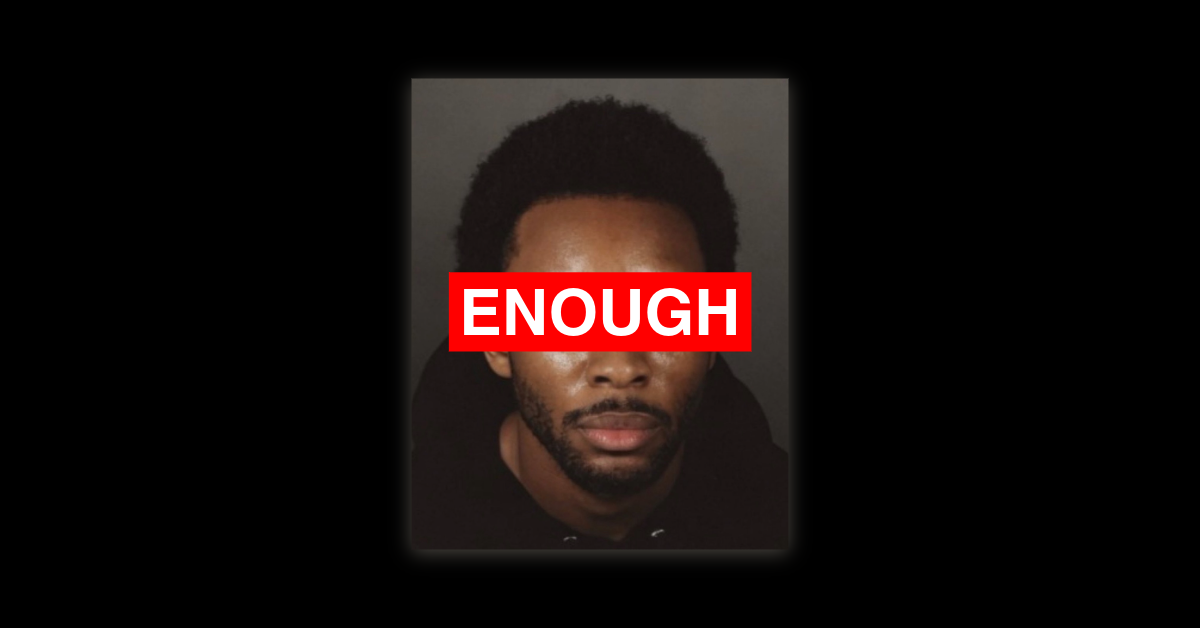
When the Los Angeles County District Attorney announced first-degree murder charges against 21-year-old musician David Anthony Burke, professionally known as D4vd, the details of the timeline shook the internet.
According to prosecutors, on April 22, 2025, 14-year-old Celeste Rivas Hernandez threatened to expose the long-term sexual abuse she suffered at his hands. The very next day, she vanished after being driven to his Hollywood Hills home.
Two days later, Burke released his debut album, Withered.
The legal filing outlines a horrific, premeditated effort to protect a corporate asset: Burke allegedly stabbed the child to death, ordered chainsaws, a body bag, and a kiddie pool online to dismember her, and hid her remains in the front trunk of his Tesla.
The motive? To prevent her from "destroying his rising career".
The whole thing sends shivers down my spine every time I read about it.
For a certain cohort of online fandom, the tragedy of Celeste’s death has not resulted in a mass rejection of the artist.
Instead, it has been treated as a massive true-crime marketing campaign.
Before his arrest, Burke built his personal brand on dark, melancholic bedroom pop. His breakout 2022 anthem, Romantic Homicide, featured lines about killing a lover without regret. In the wake of his arrest, corners of Discord, TikTok, and Reddit haven’t rejected or deplatformed him. Instead, they’ve gamified him. Fans treat his lyrics, music videos, and old Discord messages as structural clues in some kind of fkd up interactive Alternate Reality Game.
This is the ultimate triumph of the personal brand: the abstraction of a real child's gruesome death into passive entertainment. By turning a literal capital murder trial into a participatory content engine, digital spaces strip the crime of its humanity and keep the perpetrator firmly at the very centre of cultural relevance.
Why do we always fall into this trap?
Because the music and media industries are structured to insulate profitable products. Labels, managers, and corporate partners rarely look at an abusive human being and see a moral liability. They instead, look at a spreadsheet and see a monetisable asset.
We have watched this play out for over a decade. Every time a song by Chris Brown trends on TikTok, the music industry collectively hits reset on his long history of domestic violence and felony assault convictions.
Streaming algorithms do not register moral bankruptcy, only high engagement.
If a track generates data points that suggest it will keep users on an app, it is served to millions of listeners regardless of who bled to make it.
The media functions as an identical accomplice. Outlets offer high-profile redemption tours to figures like Shia LaBeouf, even after detailed, harrowing accounts from FKA Twigs regarding how his systematic abuse fundamentally altered her brain chemistry. HER BRAIN CHEMISTRY.
Controversial figures drive clicks, ratings, and platform metrics. The industry treats structural abuse as an edgy marketing hook rather than a disqualifying harm.
If we want to stop platforming dangerous men, we must dismantle the infrastructure that treats them as invincible commodities.
This requires shifting from passivity to active, structural boundary-setting:
- From algorithmic amplification to quarantine: Tech platforms need to recognise when content financialises or romanticises real-world abuse. If an artist faces active prosecution for violent crimes, automated systems must down-rank, demonetise, and isolate their catalogue rather than allowing shock-value curiosity to drive streaming algorithms.
- From art-vs-artist to financial infrastructure: We must reject the lazy intellectual shield of "separating the art from the artist." Streaming a track or viewing an interview is not an isolated aesthetic choice; it provides literal financial infrastructure and social capital to dangerous individuals.
- From star trajectory to victim centricity: The media must stop framing these cases around the tragedy of a fallen star's ruined potential. The story is not what David Burke lost. The story is Celeste Rivas Hernandez, a 14-year-old child who was stolen from her family and friends.
Until we force our content ecosystems to value human lives more than digital engagement metrics, we will remain trapped in this cycle.
The industry will keep printing money off the backs of monsters, and our timelines will continue to platform them.
Every day, 137 women and girls are killed by intimate partners and family members. There are enough good artists to listen to that don’t perpetuate this number.
Go stream them instead.
-Sophie Randell, Writer