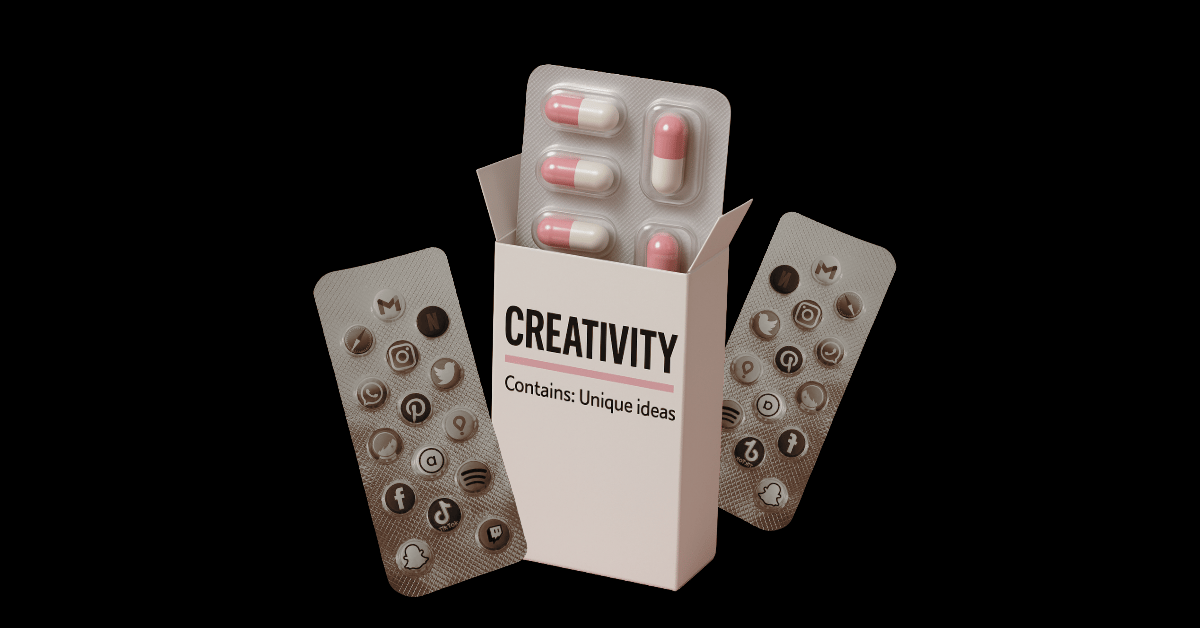
Advertising has always lived in a tug-of-war between art and commerce. But this month, the rope snapped.
With Omnicom absorbing IPG and quietly dissolving DDB, the industry is witnessing a restructure, while watching a creative lineage get wiped clean.
DDB. FCB. MullenLowe. Names that shaped entire eras of culture, folded like outdated software. The official explanation is integration. The real outcome is erasure.
Because when holding companies say "integration," they usually mean "erasure."
A consolidation of P&Ls pretending to be a vision for the future. And a promise of efficiency that actually means sameness.
What's lost is the thing agencies once guarded with their lives. Distinct creative identity. The philosophies, rituals, methods, weird inherited quirks that made each shop feel like a world of its own. You don't get to replicate that in a new super-network just because you decided the margins needed tightening.
The rhetoric of the merger reads like a love letter to AI-driven scale. More data. More centralisation. More global consistency.
It sounds sensible until you realise what sits on the chopping block.
The creative eccentricities that built this industry, the diversity of thinking styles, the institutional memory that existed in the heads of people who spent decades making work that actually shaped culture.
These things don't survive an efficiency revolution. Because they don't flatten... they evaporate.
DDB's disappearance is especially symbolic because the agency invented so much of the creative vocabulary the industry claims to value. Bill Bernbach's entire thesis was that creativity thrives on independence, tension, and talent given room to be strange. The merger logic, however, tells us the opposite story.
Creativity is now expected to live inside a machine built for optimisation.
A machine built on standardisation, process, scale, and the fastest route to a deck slide that says synergy. And, of course, this has a human cost.
Nearly 4,000 jobs gone in the first wave. Thousands more creatives, strategists and producers suddenly working inside networks that no longer have the intellectual or emotional architecture they joined for.
There is a structural violence to consolidation that rarely gets acknowledged. People enter this industry because they want to make something that feels like theirs. They want to be part of a lineage. When you dissolve the lineage, you dissolve the meaning.
There's also a quieter loss happening in the background that will show its impact years from now. The collapse of the apprenticeship ladder.
Craft never survives corporate streamlining. No one learns how to build a long idea when the network's priority is faster output and thinner teams. How do we develop taste when the training budget disappears? The industry has already been slipping into formula. Consolidation just accelerates it.
But. There is another possible reading of this moment (also, despite, the horrors, I have to try not being such a pessimist ALL THE time, I'm aware.)
When giants fall, the creative underground gets loud again.
Independent agencies suddenly look more interesting than they have in a decade. Boutique studios with weird points of view become attractive to clients who want distinction, not consistency.
Even freelancers and tiny collectives stand to gain power. Because if every global network ultimately behaves like the same machine, the only place originality can thrive is outside it.
So maybe this is a reckoning the industry needed.
A reminder that creativity is fragile. It requires space, identity, contradiction, conflict, autonomy. I personally don't think it can survive inside a structure obsessed with operational neatness. And it definitely cannot be replaced by a promise of "global integration" written in the tone of a press release.
This is the moment to ask what kind of industry we want to rebuild from the rubble. If efficiency is the new north star, then we will get advertising that is efficient in the most depressing sense. Predictable. Flat. Optimised into oblivion.
But if the loss of a creative giant wakes people up to what is disappearing, then perhaps there is still a future where soul wins.
-Sophie Randell, Writer