It’s finally happened.
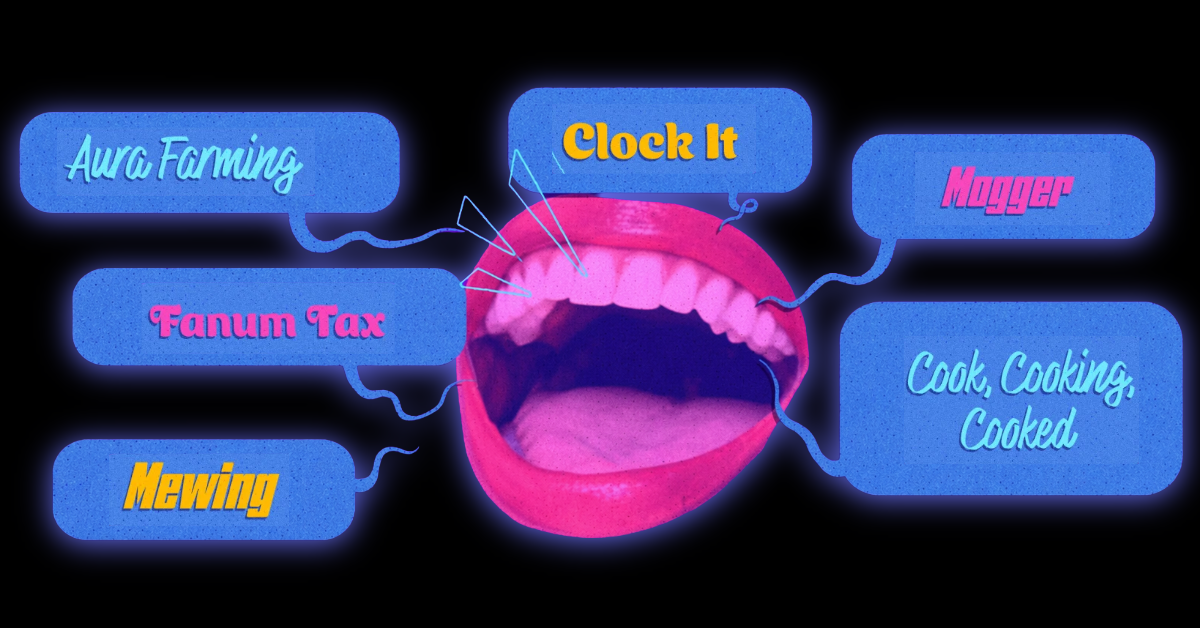
I’ve finally reached the point where I no longer understand some of the vernacular on social media. I felt the scales tipping when the “skibbidi toilet rizz” thing happened. But I had a full-fledged unc moment today that fully confirmed it.
I’m losing touch. But that’s a rant for another day.
If you scroll long enough on TikTok you’ll encounter a comment section full of people telling a complete stranger “You the birthday.” Which in my head literally sounds like a half-baked Google Translate error or something. But it’s not.
According to The Tab, the phrase is actually a misheard lyric from Birthday Girl by rapper Hunxho. Apparently a brief pause in the rappers delivery had fans online joke that he had said “she the birthday,” instead of “she the birthday girl” and the rest is history.
Yes, it really is that easy for something so small to snowball on social media.
Now, it’s kind of been flattened, repackaged and shipped out as the internet’s newest way to say: “You are currently the main character.”
It’s funny, it’s low-stakes, and it’s a perfect case study for the way TikTok has turned cultural language into a high-speed extraction site.
We’ve played these games before.
A phrase is birthed in a specific community, usually Black or LGBTQ, to articulate a very niche vibe. Then, the algorithm catches a whiff of it. And it’s game over from then on out.
Take "gyatt" or "rizz." These weren’t just "random internet words"; they were rooted in AAVE and specific regional dialects. But once the FYP gets a hold of them, they undergo semantic bleaching. The nuance is scrubbed away until the word is just a hollow vessel for "energy." By the time a suburban teen or a 30-year-old unc like me starts using it, the original cultural weight has been traded for a viral punchline.
It’s like we’re not really sharing a language but mining it for aesthetic parts.
Think about how many words we use that are “borrowed” from other cultures. When you “yaaas queen” in the comment section, or “perioddd” in your story replies, know that these terms have an origin, and that origin is being washed out and replaced as “internet speak.”
Nothing kills a vibe faster than a brand trying to be "the birthday."
There is a specific kind of soul-crushing exhaustion that comes from seeing a multi-billion-dollar airline or a fast-food chain use AAVE-derived slang to sell you a chicken sandwich.
When brands jump in, they accelerate the "cringe" cycle. They turn organic cultural expression into Digital Minstrelsy, performing a version of "cool" that they didn’t build and don’t actually understand.
It’s the ultimate form of indexical erasure: when a word’s history is replaced by a marketing KPI. Blegh.
I know some of you will be reading this and thinking that this is just "how language works now."
That we’re more connected, more expressive, and that "gatekeeping" is just old-man-yelling-at-cloud energy. And sure, it’s exciting that we have this kaleidoscopic new vocabulary to play with.
But I will say there’s a difference between a language evolving and a language being looted. When we use these terms without ever tracing them back to the source, we aren't just "expressing ourselves." We’re participating in a form of cultural amnesia.
We get the "birthday surprise," but we’re effectively ignoring the people who actually hosted the party.
Maybe I’m too unc for this. Maybe the fact that I’m questioning it at all means I need to put down the pen and retire from the internet. But I do feel as a collective, as we keep scrolling, we have to ask: what happens when we’ve used up every word from every subculture until everything sounds the same?
If we’re all speaking "TikTok," are we actually saying anything at all?
-Sophie Randell, Writer