Alex Hormozi recently sat down with Tony Robbins.
I listened to him spout on about "f*ck happiness” and “I build businesses because I don't know what else to do." Alex Hormozi is a 36-year-old American businessman who made his fortune in the fitness industry, accumulating a net worth of US$200M. He is the current founder and CEO of Acquisition.com.
Tony Robbins is well, Tony Robbins. This seemed like two men at the top of their field about to shoot the sh*t. But it wasn’t. Hormozi, famously known for his deeply ingrained belief that suffering is required for success, was almost… vulnerably asking for help.
Tony Robbins then coached him on how to shift from a "suffering-based" success model to one focused on fulfilment and joy.
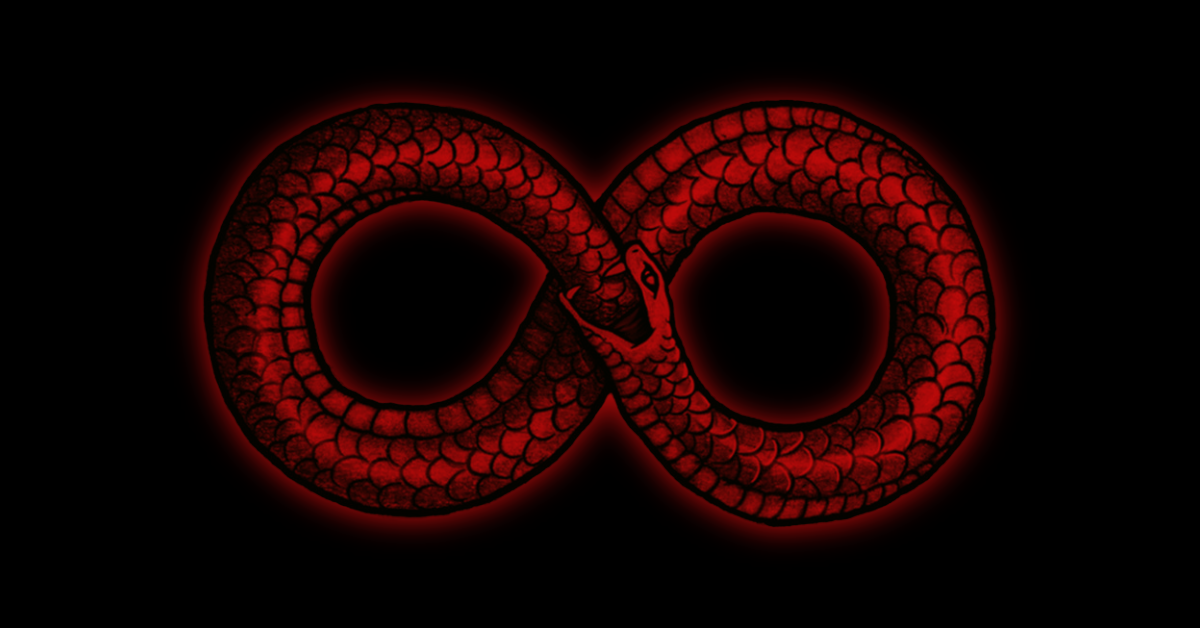
Then, on March 4th, Tim Ferriss, the guy most famous for his book on self-optimisation, recently posted a blog called "The Self-Help Trap: what 20 years of optimizing has taught me," with a picture of an ouroboros eating its own balls.
Yeah, Ferris was finally admitting that the entire pursuit might be making people worse; comparing it to a dog chasing its own tail.
The people we've been worshipping for life hacks and self-help advice are admitting they're unhappy, they don't have it figured out, and the endless grind that disregards your feelings, life, and energy is - guess what - making them miserable.
Anyone who dared challenge this narrative in the past got called lazy and broke.
But now the priests of the optimisation cult are confessing from inside the temple.
I look at David Goggins and, I say this with all due respect, see a traumatised man literally inflicting pain on himself and calling it discipline. His entire brand is suffering as virtue. And millions of people watch him run ultramarathons on broken legs thinking that's what success looks like.
The self-optimisation trap works like this: you're not productive or disciplined enough. There's always another morning routine to master, another hack to implement, another metric to track. Sleep optimisation, productivity systems, biohacking supplements, cold plunges, morning pages, evening reviews.
You turn yourself into a performance machine. Except the performance never ends. The metrics keep moving. And suddenly, you realise you've optimised yourself into a life that feels like work, even when you're not working. You've gamified existence until there's no space left for actually living.
We saw the rejection of hustle culture a few years back.
The "rise and grind" mentality got major pushback and people started talking about work-life balance, setting boundaries, recognising burnout.
But this is different. This isn't just rejecting the grind. This is the gurus themselves admitting the entire framework is broken. Hormozi saying he builds businesses because he doesn't know what else to do isn't hustling. That’s avoidance—using productivity as a shield against dealing with actual human emotions.
Tim Ferriss spent 20 years teaching people how to optimise their lives and he's finally saying maybe that was the wrong question entirely. Maybe the problem isn't that we're not optimised enough. Maybe the problem is treating ourselves like systems that need optimising.
These creators rely on your incompetence (or feelings of).
The entire creator economy around self-improvement depends on you feeling inadequate. If you felt competent, if you trusted yourself to figure things out, you wouldn't need their courses, their coaching, their frameworks, their morning routines.
They need you to believe you're doing it wrong. That you're not disciplined enough, not optimised enough, not hustling hard enough. They need you to outsource your decision-making to their systems, because that's the product.
This is institutional infantilisation – but for the productivity crowd. Keep people feeling incapable of basic life management without expert guidance —> monetise their learned helplessness —> build platforms on the foundation of other people's insecurity.
And it worked brilliantly until just now… when the people selling the optimisation started admitting it made them miserable too.
Where do we go after optimising ourselves into hell?
The answer isn't another framework. PLEASE, I promise you it's not "mindful optimisation" or "sustainable hustle" or whatever the next rebrand will be.
The answer is learning to do things without creators telling us how to live.
What if you just... tried things? What if you figured out your own morning routine through trial and error instead of copying someone else's? What if you trusted yourself to know when you need rest without consulting a productivity guru? Hello. These are simple things... we can totally do them???
This terrifies the creator economy because competent people don't buy courses. People who trust their own judgment don't need frameworks. The entire system relies on you believing you need to be taught how to live.
So, what happens to the creators?
Some will pivot, I guess.
Some will admit what Hormozi and Ferriss are starting to say - that they built empires on foundations that made them miserable. Some will double down and insist you're just not optimising correctly.
But the ones who've built platforms on your perceived inadequacy will likely struggle. Because once you realise you don't need to be taught how to live, their entire value proposition evaporates.
The self-optimisation industrial complex is collapsing from the inside.
We optimised ourselves into hell, and the people who sold us the map are finally admitting they're lost too. It’s time we stop treating yourself like a system that needs debugging.
Maybe trust that you're competent enough to figure out your own life without turning existence into a performance optimisation problem. Because it’s exhausting.
The gurus already tried that and look where it got them, babe.
-Sophie Randell, Writer