To move ads forward, we have to look back. About 20-odd years back.
If you’ve spent any time on the corporate side of the internet lately, you’ve likely felt the "AI Fatigue" setting in. I’ve spoken about this before, how everything is flattening into a little too smooth, too symmetrical, with that slightly greasy, over-rendered sheen that screams “a prompt wrote this.”
It makes me want to eyeroll into the next dimension.
But lately, a few brands are rising up out of the slop and opting out of the perfection. Instead of looking forward to a Midjourney-dystopia, they’re looking back, about 20 years back, to the clunky, pixelated, glorious world of early-aughts gaming.
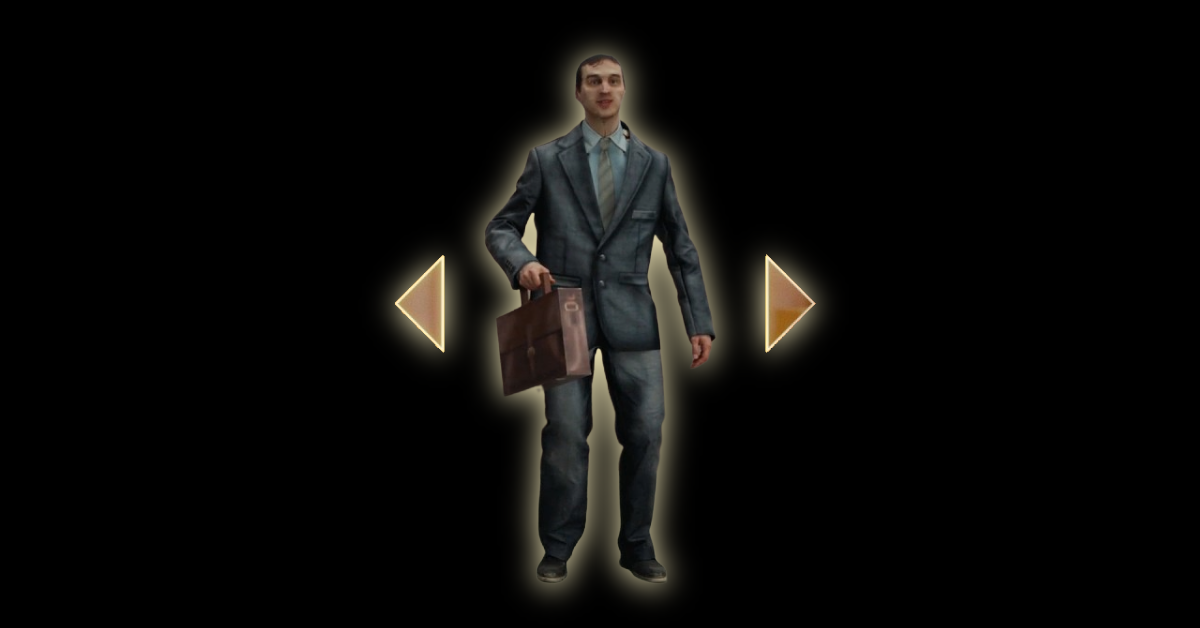
One great example which I thought was such a vibe was the recent Coinbase spot.
It follows an NPC (Non-Player Character) through a Sims-esque world as he slowly realises he’s just a cog in a pre-programmed machine. It’s meta, it’s nostalgic, and it’s deeply relatable. In a world where we feel increasingly algorithmically managed, there’s something visceral about watching a low-res character break the fourth wall to enter the "human world." It feels like more than an ad; it feels like a narrative about reclaiming agency.
And Coinbase isn’t the only one shouting into the void. We recently saw Met-Rx tapping John Cena for a 60-second spot that looks like a ’90s Nintendo fever dream. Skittles leaned into retro-social spots to promote a branded video game flute controller. And Jack in the Box launching Deal Quest: Revenge of the Munchies, turning the hunt for a burger into a pixelated side-scroller.
Why now?
This isn’t just about tapping into the 3.4 billion gamers worldwide (though the "gamer" is no longer a niche subculture; it’s just the culture). This is yet another example of the rejection of the AI Aesthetic.
AI currently feels like too much. It’s over-polished and lacks a soul. Conversely, the 8-bit pixel or the clunky Sims animation style feels human. It reminds us of a time when the internet felt like a playground rather than a shopping mall. By adopting "low-fi" gaming aesthetics, brands are signaling that they "get" the joke. They’re trading the Uncanny Valley for a bit of digital grit and putting the agency back in our hands like a PS2 controller.
There’s a reason that Coinbase NPC resonates so deeply.
Between the algorithmic feeds telling us what to buy and the social pressures to perform a curated version of ourselves, we’ve all had that moment of looking in the mirror and wondering if our dialogue trees were pre-written by a LLM.
When brands use these low-poly, Sims-esque aesthetics, they’re tapping into a collective Simulation Anxiety. We’re tired of the high-definition pressure to be perfect. There is a strange, radical comfort in the "glitch." By embracing the aesthetic of a game, brands are admitting that the "real world" feels increasingly like a series of side quests and micro-transactions.
If we’re all living in a simulation anyway, we’d rather it look like a charming 2004 expansion pack than a cold, hyper-realistic AI render. The pixel is a nostalgic choice and an honest one.
It acknowledges that our attention is being farmed, but at least it offers a joystick instead of a lecture.
There’s a delicious, almost biting irony in the choice of products fueling this aesthetic shift.
We aren’t seeing these pixelated throwbacks used to sell rocking chairs or heritage wool blankets or even retro consoles. We’re using retro tech to hawk crypto and high-performance protein powder… the two most "future-obsessed" industries on the planet.
One promises a decentralised utopia in the cloud; the other promises to optimise your biological hardware until you’re more machine than man. It’s a paradox: using the limitations of 2004 to sell the limitless "optimisation" of 2026.
But that’s the world we live in.
This new escape narrative in advertising like the Coinbase ad proposes a "way out."
It suggests that by engaging with these brands, we can finally stop being cogs and start being players. Yet, we have to ask whether this is a genuine exit strategy, or just a prettier, more nostalgic cage?
By leaning into the "simulated reality" aesthetic, brands aren't actually freeing us from the algorithm… they’re just skins. They’re giving us a 64-bit skin for a 128-bit problem.
We might feel like we’re reclaiming our agency, but we’re still just clicking "accept" on the Terms and Conditions of a new kind of simulation. One that just happens to look a lot like the games we used to play before things got so... high-def.
Spooky.
-Sophie Randell, Writer