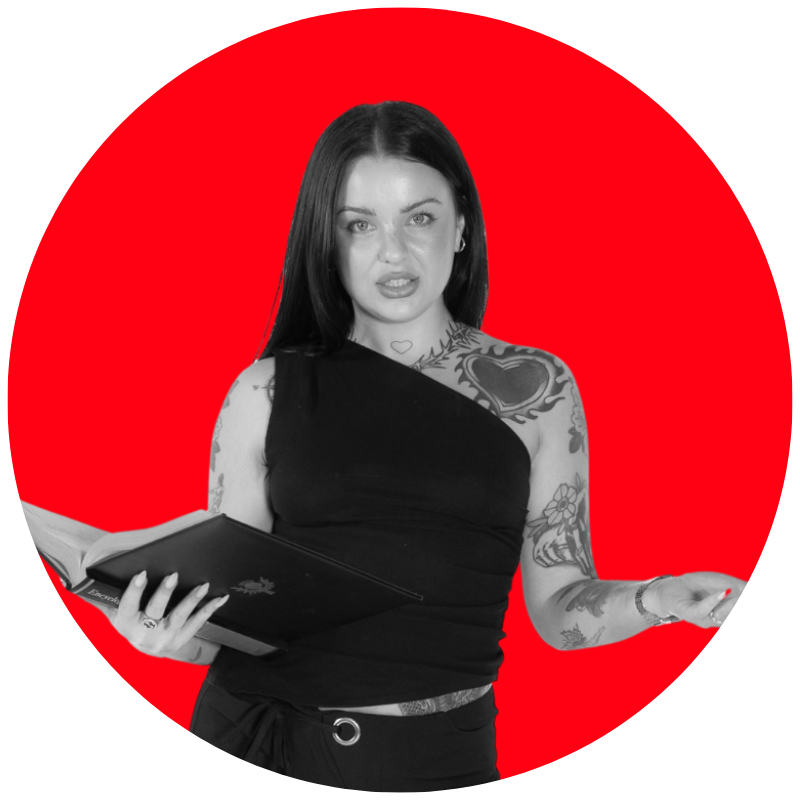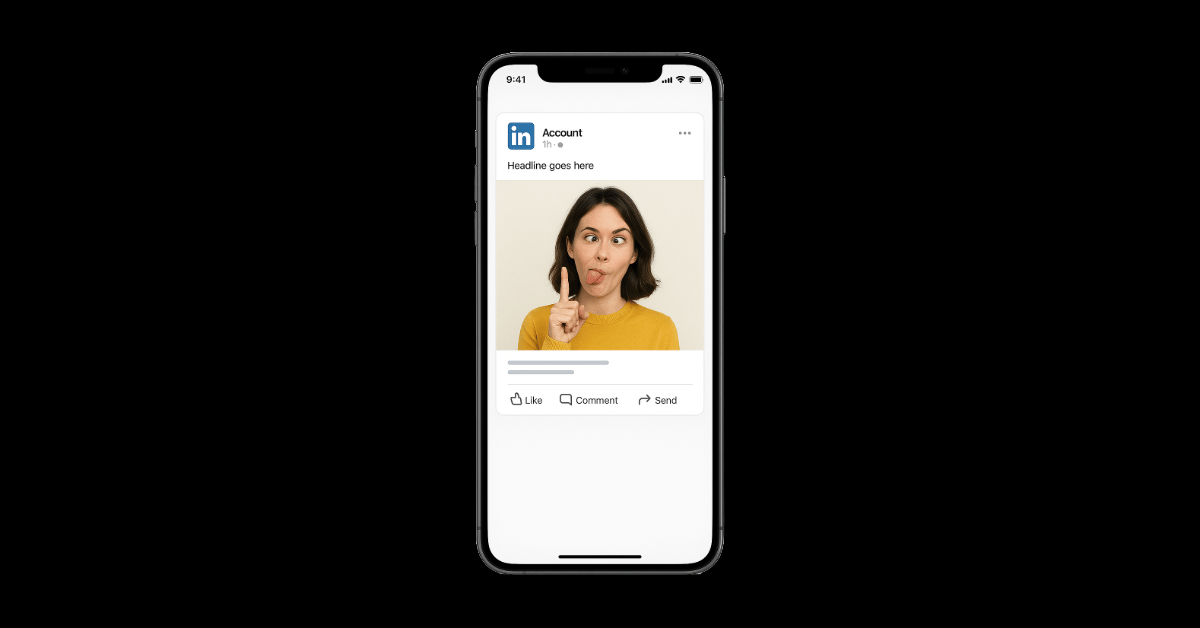
THIS JUST IN: you can now be weird on LinkedIn. Big news for all my fellow freaks and geeks.
For years, LinkedIn's been the networking equivalent of a beige conference room. Everywhere you look, there's people in beige pant suits unironically saying "synergy". Words like "authenticity" are beaten to a lifeless pulp. There's thousand-word, faux-profound posts about "lessons from that time I got bitten by a shark, but the shark was my own business." In short, it's where fun goes to die.
But something strange is happening. The weirdos have arrived, myself included. Suddenly, LinkedIn is lowkey interesting... but let's not get carried away. LinkedIn isn't exactly cool now, but it is having a bit of a glow-up. What was once a rigid résumé warehouse is now slowly and awkwardly turning into a space where brands and people are allowed to... be human.
Founders are posting about burnout without veering into trauma-dumping. Marketers are sh*tposting about briefs gone wrong. Entire companies are talking like actual people, not corporate press releases.
And guess what? It's working.
Because in a sea of suit-and-tie content, personality pops, baby! There's this long-standing myth that if you're a B2B brand, you need to be serious. That you can't afford to joke. That "playful" means "unprofessional". But here's a real shocker: the people you're trying to reach are, in fact, actual humans. They're tired. They're over-scrolling. And they're desperate for content that doesn't sound like it was written by ChatGPT in a suit jacket.
Being smart and being funny are not mutually exclusive - take it from me
Nor are credibility and creativity. If anything, a well-timed shitpost can do more for brand recall than a $10k thought leadership video that nobody watches past 12 seconds. When I say "weird" works, I don't mean unhinged or unserious for the sake of it. I mean showing up in a way that feels alive, specific, and unmistakably yours.
A software company roasting its own UI updates.
A B2B startup making memes about investor jargon.
A founder live commenting on industry chaos with spicy takes.
A brand using storytelling over buzzwords to describe what they actually do.
Weird works because it's memorable.
It builds emotional resonance. And on a platform where 90% of the feed is algorithmic wallpaper (the ugly kind, form the 80s), standing out is currency. So, what's the LinkedIn algorithmic secret?
When done right, the platform rewards weird. It actually still offers some of the best organic reach around, especially for personal profiles. And the more people comment, share, or even just raise an eyebrow at your post, the more LinkedIn keeps pushing it. If you're consistent, opinionated, and not afraid to ruffle a few collars, you'll grow. Fast.
So, brands: consider this your permission slip.
Let go of the idea that professionalism means personality-free. LinkedIn might be where business happens, but business is done by people. And people remember the posts that made them laugh, feel something, or say: "wait, who wrote this?" So basically:
Say something interesting.
For the love of all things holy, ditch the stock photos of handshakes.
LinkedIn doesn't need another corporate drone. It needs you. your voice, your take, your weird.
If you're trying to build brand trust, grow a founder profile, or just survive the algorithm, personality is your unfair advantage. Be the brand that posts a graph meme. Be the founder who clowns on corporate jargon. Be weird, be human, and watch what happens.
Because in 2025, it may very well be the new version of thought leadership (here's hoping.)
-Sophie Randell, Writer