I'm kind of obsessed with behavioural economics right now.
Specifically how our private purchasing habits signal public financial stress before official data catches up.
The classic theories like the Lipstick Index, Hemline Index, and Men's Underwear Index are freaking brilliant observations about human behaviour under economic pressure.
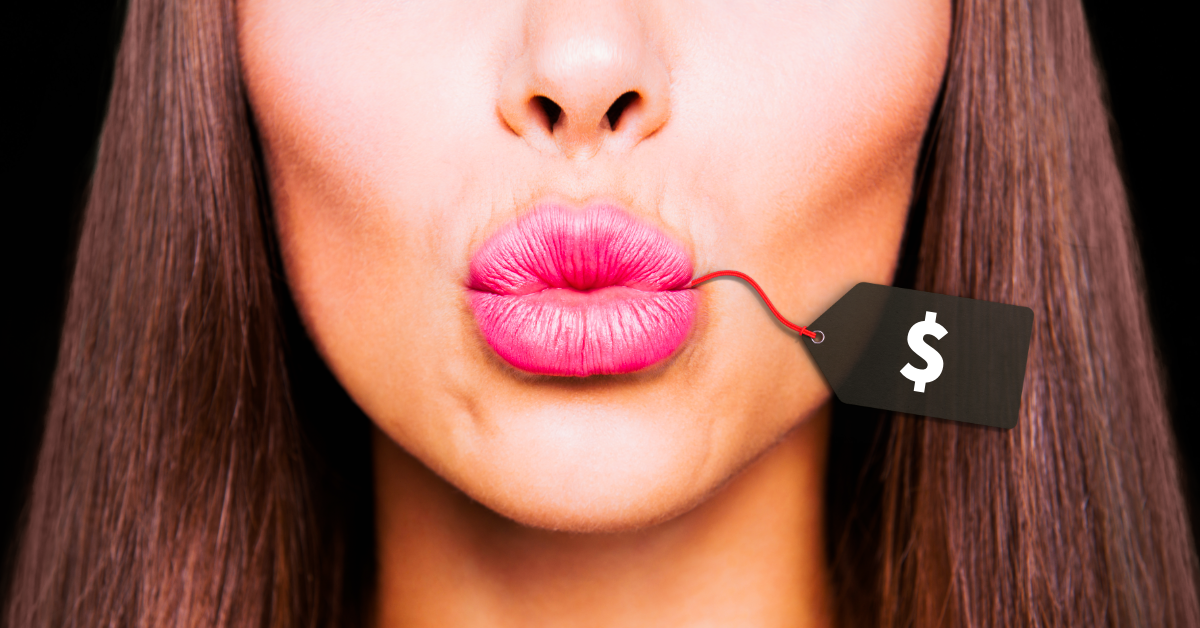
The Lipstick Index tracked how women bought small affordable luxuries during recessions. Feeling the squeeze, we want to still feel in control, and treat ourselves to something that feels luxury but is generally inexpensive.
The Hemline Index correlated skirt lengths with economic optimism, rising and falling with the stock market. The Men's Underwear Index noted that underwear sales drop during downturns because it’s the first purchase men defer when money is tight. These are all economic indicators and insights into psychology, gender, and what people prioritise when resources get scarce.
But we're in 2026 now, and Gen Z has completely different patterns.
The phenomenon is still happening. Our spending still signals economic anxiety, etc. But what we're tracking has fundamentally changed. And I think the differences reveal something fascinating about how this generation approaches money, aesthetics, and survival.
Recession Blonde and the maintenance index.
Recession blonde is a hair trend defined by lived-in colour, darker roots, and balayage techniques. It's the modern version of the Lipstick Index. Except instead of a small splurge, it's strategic aesthetic survival through lower maintenance.
The economics are straightforward. Recession blonde lets you go four to six months between salon appointments instead of six weeks.
At $200-500 per session, that's genuine savings while still looking intentional rather than dusty. Hair salons were among the first service industries to report shifts in booking frequency in late 2025, making this a leading indicator of tightening budgets.
What's different from the Lipstick Index is the visibility.
The Lipstick Index was about private comfort purchases, a little treat if you will. Recession blonde is about making budget consciousness part of your aesthetic identity. It's a shift from conspicuous consumption to conspicuous pragmatism. Being smart with money became something you wear rather than hide.
The Tinned Fish Index and aspirational thrifting.
Tinned fish, like sardines, mackerel, anchovies, have become hot girl food. Iykyk.
This is peak modern behavioural economics because it's the same principle as the Lipstick Index (affordable luxury during hard times). But the execution is completely different.
Tinned fish provides high-protein, gourmet-ish experience for five to ten dollars, replacing expensive meals out. It's an affordable luxury that feels sophisticated. But where the Lipstick Index was about a small private indulgence, tinned fish became a whole aesthetic movement.
Brands like Fishwife rebranded a dusty pantry staple food into European summer vibes through premium packaging and storytelling. Suddenly what was genuinely a Depression-era staple became something you styled on marble countertops with sourdough and natural wine. Vibes = immaculate.
The Dupe Economy shows brand loyalty under pressure.
The dupe economy is where things get super interesting as a behavioural phenomenon. Gen Z has largely abandoned brand snobbery in favour of high-quality cheaper alternatives. And finding the perfect dupe is a badge of honour and major content category.
In previous recessions, people hid their budget purchases.
You'd transfer Target clothes into designer bags before bringing them home. The shame was part of the behaviour. You were downgrading and you knew it. Now people are filming haul videos specifically to show how they got luxury looks for a fraction of the cost.
What's fascinating is that dupe culture signals resilient consumer spending, not deprivation. People aren't stopping shopping. Instead, they're optimising it for high inflation. They still want the aesthetic, the dopamine hit of new purchases, the social currency of what's trendy. They're just refusing to overpay for it. Kinda punk if you ask me.
The classic recession indicators tracked deprivation and small comforts.
When times got tough, women bought lipstick as affordable luxury. When things got really bad, men stopped replacing underwear because nobody would see it. The behaviour was about coping privately with reduced resources.
Modern indicators are about aesthetic optimisation, not deprivation. Gen Z isn't giving up looking good or eating well or buying things - they're getting smarter about achieving those things while making that strategy visible and aspirational.
The difference tells you something about generational values.
Previous generations treated budget constraints as private struggles. Gen Z turned budget consciousness into community, content, and cultural identity. They're not quietly suffering through economic pressure. They're loud budgeting, strategic optimising, and making financial pragmatism look cool.
Behavioural economics as a field is brilliant because it reveals what people actually do versus what they say they'll do.
The Lipstick Index worked because it tracked behaviour nobody was consciously performing as an economic signal.
Women just knew lipstick made them feel better during hard times.
Modern indicators work the same way but the behaviours are more visible. People aren't consciously trying to signal recession anxiety through their hair colour or tinned fish purchases. They're just making choices that feel good and make sense.
But those aggregate choices tell economists something real about where consumer confidence actually sits.
The evolution from private coping mechanisms to public optimisation strategies reflects broader cultural shifts about money, transparency, and what we're willing to admit about our financial realities.
Gen Z talks openly about being broke, shares budget hacks and makes thriftiness aspirational in ways that would have been unthinkable in previous eras. Behavioural economics evolves as culture evolves.
The principles stay the same. But what we buy, why we buy it, and whether we hide or share those choices changes completely.
And tracking that evolution hits like crack for me.
-Sophie Randell, Writer