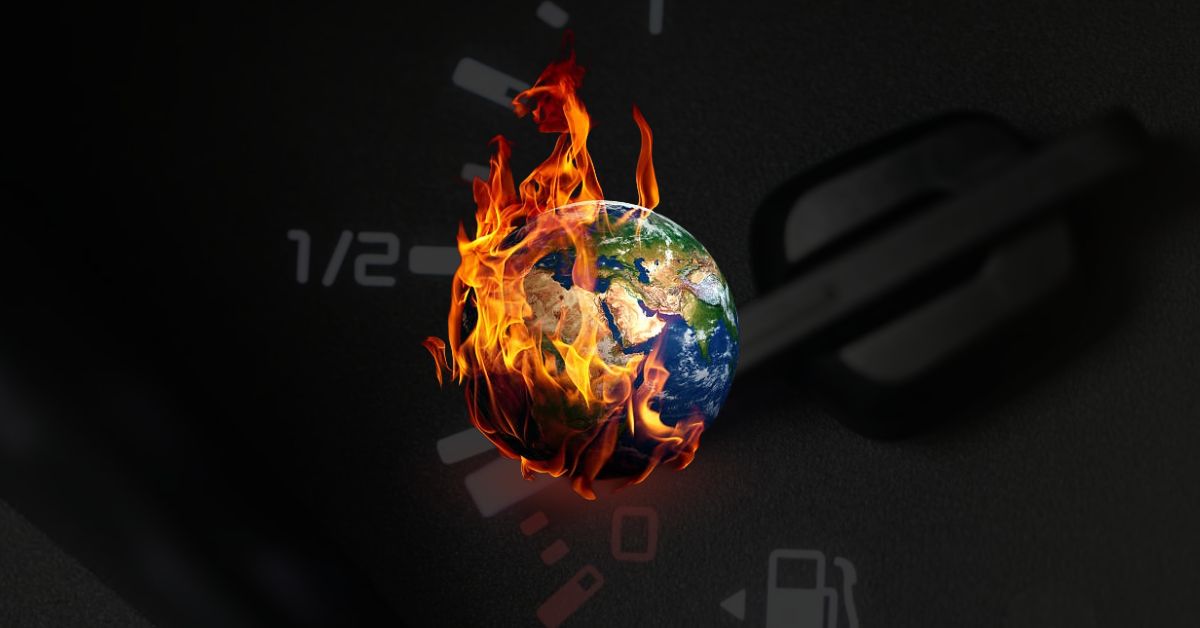
It’s a surreal feeling, watching people watch a war on livestream and hearing them fret.
Not about the war, but about the effects… on them… or more so, inconveniences I should say.
Oil hit $113 per barrel this week. Gas prices jumped to $3.92 a gallon in the US, and up to $11 in NZ. Shipping costs are up 17% in three weeks. Economists warn about stagflation. Retailers worry about profit margins. And somewhere, people are dying.
This is the grotesque reality of war from a marketing and economics perspective. Buildings becoming rubble. Civilian lives are being lost. And the conversation in Western media centres on oil prices and shipping delays.
It feels gross to even write about. But that disconnect right there, is the whole point.
The economics are real, but the scale is obscene.
The Strait of Hormuz, 21 nautical miles wide at its narrowest point, carries 20% of the world's oil. More than 20 million barrels transit through daily.
Marine traffic has nearly ground to a halt since the conflict began. Iran has blocked the passage. About 200 ships are just... waiting. Floating in place while attacks and navigation interference make the crossing too risky.
Saudi Arabia, UAE, Iraq, and Kuwait have suspended shipments of as much as 140 million barrels of oil. That's 1.4 days of global demand gone.
Oil surged 25% since the war started.
Analysts are seriously discussing $150 or even $200 per barrel - prices that would handbrake the global economy. And yes, that affects regular people, obviously.
Gas prices up nearly a dollar from last month. Also grocery costs rise because shipping is more expensive. Free shipping minimums increase because retailers can't absorb fuel surcharges.
Dollar Tree, Family Dollar, Marshall's, TJ Maxx - stores serving lower-income shoppers - are getting hit hardest because their margins can't absorb the cost spikes.
These impacts are real. People's budgets are getting squeezed, and the cost of living is becoming unmanageable for many. But the polarisation is unsettling; war-torn cities versus unaffordable groceries. Both are effects of the same cause, but the scale of suffering is incomparable.
War is waged by powerful people who aren't affected by it. And this has always been the way.
Politicians make decisions from secure locations and military leadership operates from command centers.
Executives hedge oil futures and adjust supply chains. None of them are dodging missiles or watching gas prices determine whether they can afford to drive to work.
The public pays.
At varying degrees, war-torn city or cost of living crisis. But we're the ones affected while the decision-makers remain insulated. That's how war has always worked. But the current information environment makes the disconnect more visible and more grotesque.
We see footage of destroyed infrastructure and civilian casualties. And in the same scroll, we see headlines about freight costs and inflation projections.
The juxtaposition is nauseating but it reveals something true: from the perspective of Western economics and media, war is primarily discussed as a market disruption.
Retailers are already strategising around this.
How to message price increases without seeming opportunistic. How to frame shipping delays without losing customer patience. How to maintain sales when consumers can't afford retail therapy because gas is too expensive to drive to the mall.
Brands are watching oil prices to time their inventory orders. Calculating whether to absorb costs or pass them to customers. Adjusting free shipping thresholds.
All completely rational business decisions. Yet all completely disconnected from the human cost creating these conditions.
And that's the reality marketers and business owners operate in. You have to think about this stuff even while being disgusted that you're thinking about it. You can't just stop running your business. You can't ignore that costs are rising and margins are shrinking. But reducing human catastrophe to supply chain logistics feels morally repugnant.
Before the war, consumer sentiment was actually improving.
The New York Fed's February survey showed people expecting lower inflation and feeling better about their financial standing than a year ago. That data was collected February 2-28. The US-Israel strike on Iran happened February 28.
Within two weeks, economists were warning consumers would be "hammered" by oil price surges. Gas went from $2.92 to $3.92 per gallon, and inflation expectations reversed.
Consumer spending projections dropped, the unemployment rate edged up to 4.4%.
An entire economic outlook shifted because of decisions made by people who won't feel the economic consequences, let alone the physical ones.
Times are tense. People can't drive anywhere without wincing at gas prices. Can't do retail therapy because budgets are tighter. And they certainly can't escape the constant awareness that global instability is directly hitting their wallets while affecting others infinitely worse.
And, it would be weird not to acknowledge that rising costs affect people's daily lives.
Pretending economic impacts don't matter would be dishonest. They do matter, especially to people already struggling financially. But discussing those impacts without constantly acknowledging the privilege of worrying about grocery bills versus literal survival feels equally wrong.
You can hold both truths; that people are suffering catastrophically from war, and that economic ripples affect others less severely but still meaningfully. The problem is how easily the conversation defaults to the economic impacts while treating human casualties as background context.
From a marketing perspective, brands will navigate this by staying quiet about the cause and vocal about the effects.
Messaging around "unprecedented supply chain challenges" and "global market volatility" without mentioning war. Raising prices while blaming abstract forces. It's cowardly, but it's what happens.
Oil at $113 per barrel affects global markets, drives up costs for consumers, squeezes retail margins, and makes economists fear stagflation. These are real economic impacts with real consequences for people trying to afford basic necessities.
But the actual bottom line is that powerful people make war decisions they'll never personally suffer from. Everyone else pays.
The fact that we're even discussing this from an economics and marketing angle - that this article exists at all - proves the point. The disconnect is the story.
And there's no good way to talk about it without participating in exactly what makes it grotesque.
-Sophie Randell, Writer