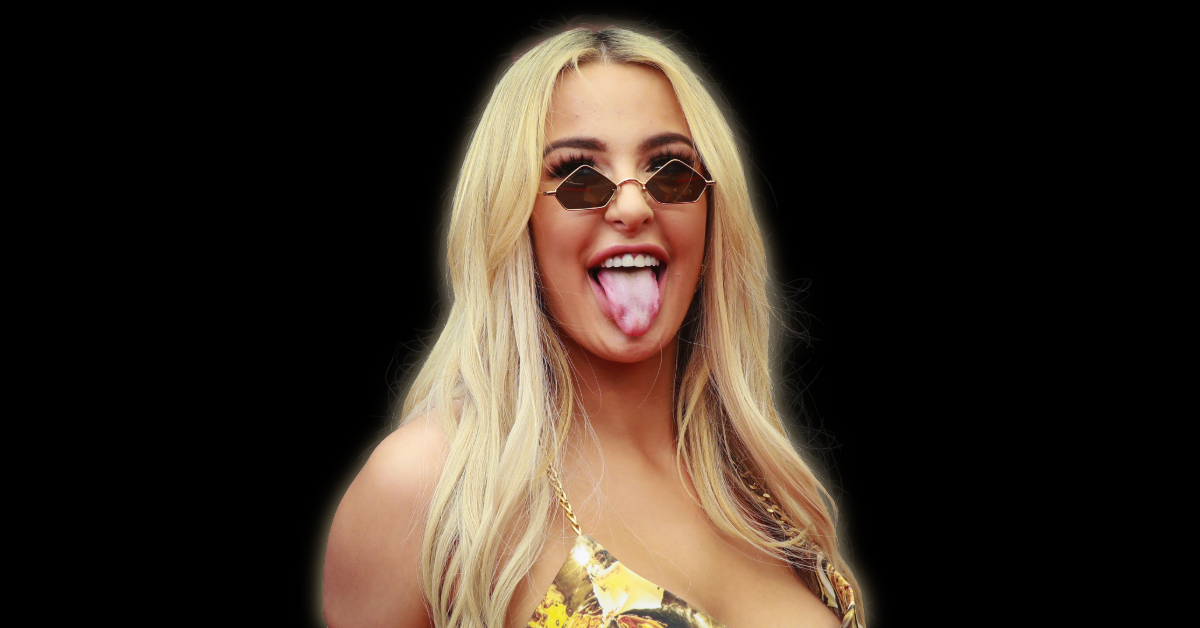
Tana Mongeau, although one of my faves, was the he-who-shall-not-be-named of the influencer marketing world.
I once heard her say “It’s hard being a Ke$ha in a Hailey Bieber world.”
Following the 2018 TanaCon collapse, an event so synonymous with logistical failure it became a multi-part documentary series, Mongeau was basically deemed "un-brandable,” as if she was the ultimate liability. Fast forward to 2026, and The Hollywood Reporter is unironically calling her brand safe and predicting her most lucrative era yet.
For creators and business owners sitting on a messy digital footprint, Tana is your blueprint.
But what does brand safe actually mean in an era where authenticity is currency? And how do you genuinely pivot when your reputation is in the red?
In the legacy world, brand safe meant sanitised, kind of like Disney clean. Today, brand safety is less about being a saint and more about being predictable.
Brands aren't necessarily afraid of a creator who swears or discusses adult themes; actually, you’ll find more are leaning into those now. They are, however, afraid of volatility. They fear the unvetted moment that results in a stock-price-dropping PR crisis (i.e. Taylor Frankie Paul and the recent Bachelorette situation).
Tana’s transition to brand safety didn’t require her to stop being Tana. But it did build a professional infrastructure (like her Cancelled podcast) that proved she could show up, deliver an ad read, and maintain a loyal, measurable audience without burning the fkn house down.
How to clean up without losing your spark:
Because we are NOT about losing ourselves in exchange for anything. But, if you are struggling with a personal brand reputation that feels too risky for high-level partnerships, the path back to the latest trending list involves three tactical moves:
1. The radical transparency audit
You cannot delete the internet. The YAP approach to marketing has always been about knowing the narrative before everyone else does. So, own your archive; if there’s a mess in your past, contextualise it. Show the growth. Brands today actually value reformed characters because their audience trust feels earned, not manufactured.
2. Professionalise the buffer
If you are a wild card personality, you need a boring backend. This means hiring a manager, a PR-minded editor, or a legal consultant to vet your output. Brand safety is often just the confidence that a second pair of eyes has seen the content before it hits the feed.
3. The portfolio of reliability
I’m sorry to be the bearer of bad news but, babes, you don’t go from cancelled to a Fortune 500 deal overnight. You start with braver brands, startups or edgy disruptors, to prove you can drive ROI without incident. This builds a track record of reliability that eventually makes the big guys feel safe enough to sign the check.
The reformed hall of fame
Tana isn’t the only one who turned a liability into a legacy. To round off your strategy, look at these three cases:
- Alex Cooper (Call Her Daddy): originally seen as too explicit for mainstream media, Cooper professionalised the overshare. By moving to Spotify and later SiriusXM in multi-million-dollar deals, she proved that raunchy can be reliable if the business infrastructure is world-class.
- Guy Fieri: once the punchline of the culinary world (maybe still, sometimes lol) Fieri leaned into his FlavorTown persona with such consistency and philanthropic effort that he became one of the most trusted and safe faces in food marketing. Fieri never changed his style and yet outlasted the critics - with pure reliability.
- Logan Paul: (begrudgingly, yes) from the ultimate pariah in 2018 to a WWE superstar and co-founder of the global beverage giant Prime. His pivot relied on extreme diversification, moving into sports and business to overshadow a controversial past with present-day utility.
Here’s the tea (so you don’t have to be):
Your reputation isn't a fixed asset; it's a moving average. Being brand safe is about proving that you’re a professional who understands that while the content can be wild, the business must be airtight.
You don’t have to be perfect, but you do have to understand that.
-Sophie Randell, Writer