I recently read this story on Morning Brew that felt like a lightbulb-accumulation-of-everything-I’ve-written-as-of-late moment.
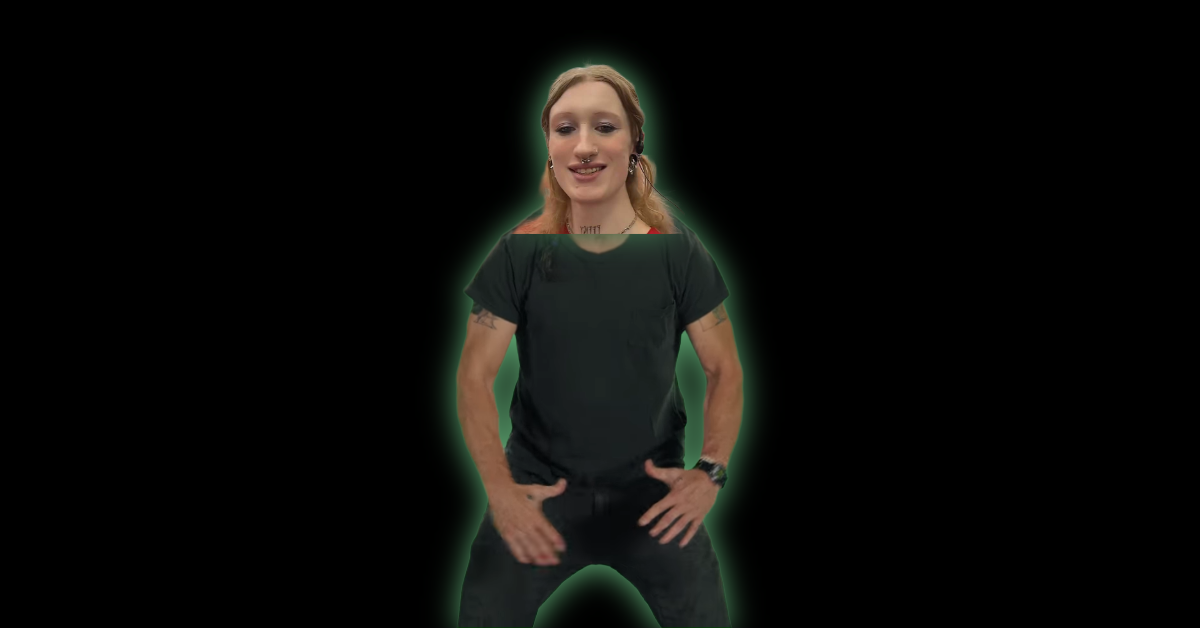
Kaeden Rowland, a print specialist at Staples who posts under the handle @blivxx, has been at her job for eight months. In January, she started posting TikToks about what Staples actually does. Things that most customers probably don’t know about; custom mugs, ornaments, shirts, signs, tax services, direct mail.
One video, an ASMR-style stamp-making tutorial, has more than 765,000 likes on TikTok.
Staples reported measurable increases in store traffic and meaningful lifts in the exact products she featured. The nickname "Staples Baddie" stuck organically. She's now booked with events, photoshoots, and partnership deals with brands like CeraVe.
And her entire content strategy is literally word for word “don't miss out making whole meetings about one single video. Just do the video."
It’s an anti-strategy. And it works.
Rowland says she doesn't overthink what she wants to say. She simply talks about things that she’s genuinely passionate about in her role. She's also not afraid to experiment, like the ASMR stamp video. It's something that an in-house marketing team would not have suggested, but it received huge success.
There's no content calendar or approval workflows. No brand guidelines restricting her personality. She has free rein on what she posts, as long as she's not promoting competing office supply companies.
This is the exact opposite of how most marketing departments operate.
Weeks of strategy meetings, multiple rounds of revisions, legal reviews and brand compliance checks. By the time the content finally goes live, the moment has passed and the energy is dead.
Rowland's approach proves that overthinking kills virality. The best-performing content often comes from people who just hit record and talk authentically about something they care about.
How one baddie replaced an entire marketing department.
Because let’s be real, Staples has one.
They have a CMO and budgets for campaigns, agencies, paid media, influencer partnerships. Yet none of that drove the kind of organic reach and measurable business impact that one print specialist posting from her phone achieved in a couple of days.
Seven million views on a single video. Store traffic increases, product lift on specific items she mentioned. Brand awareness reaching audiences who probably haven't thought about Staples in years. All from someone who wasn't hired to be a content creator and isn't getting paid to be an influencer.
The difference here is authenticity that can't be manufactured.
Rowland genuinely loves her job. She finds the services Staples offers genuinely useful and wants customers to know about them. That enthusiasm reads as real because it is real.
Corporate marketing could never replicate that. No matter how hard you try. No matter how many influencers you hire talk about your products. Because your audience knows it's a paid partnership. You can create branded content that mimics authentic voice. But it still feels produced.
Rowland connects her success to people's desire for in-store shopping experiences where they can create something tangible and connect with others in real life.
She's selling the experience of walking into a store, talking to a helpful person who's genuinely enthusiastic, and leaving with something you made.
Most Staples are full of creative people who have some passion for stationery, she explains. Getting people to understand that has done numbers for in-person shopping experiences.
She's repositioning Staples from a boring office supply store to a place where creative people help you bring ideas to life. That narrative shift is worth more than any paid campaign. Because it's coming from someone with actual expertise and genuine enthusiasm, not a marketing deck.
The lessons for your marketing team:
Stop having 4 meetings about whether to make the video. Just make the damn video.
Stop requiring six approvals before posting. Just post it.
Stop trying to manufacture authenticity through brand guidelines. Just let authentic people be authentic.
Look inward at your own employees. Who's already passionate about what you do? Who talks about their work with genuine excitement? Who has expertise that audiences would find valuable?
Those are your best brand ambassadors, and they're already on the payroll.
Give them the freedom to create without corporate constraints. Provide support, not restrictions. Collaborate, don't control. Let their personality and expertise shine through instead of forcing them into brand voice templates.
Other brands are already following this model. Starbucks and Ulta are both tapping employees to create content. The pattern is clear: authentic employee voices perform better than polished corporate messaging.
If nobody at your company wants to make content about working there, that's not a content strategy problem. That's a culture problem.
You can't buy employee enthusiasm or mandate employee evangelism. You have to actually create an environment where people feel good enough about their work to share it publicly.
Marketing teams have two options. Accept this reality and empower their passionate employees. Or keep running campaigns that get a fraction of the organic reach one enthusiastic print specialist achieved by just hitting record and being herself.
Sometimes the best marketing strategy is to get out of your own way. Stop overthinking. Stop overproducing. Stop requiring approval from people who don't understand the platform.
Just do the video. And if you're lucky, you might find your own Staples Baddie.
-Sophie Randell, Writer