“It seems like nobody wants to work these days. Get your ass up and f*cking work.”
When Kim Kardashian said this in 2022, I was not expecting I would relate it back to the current zeitgeist of being a freaking poser.
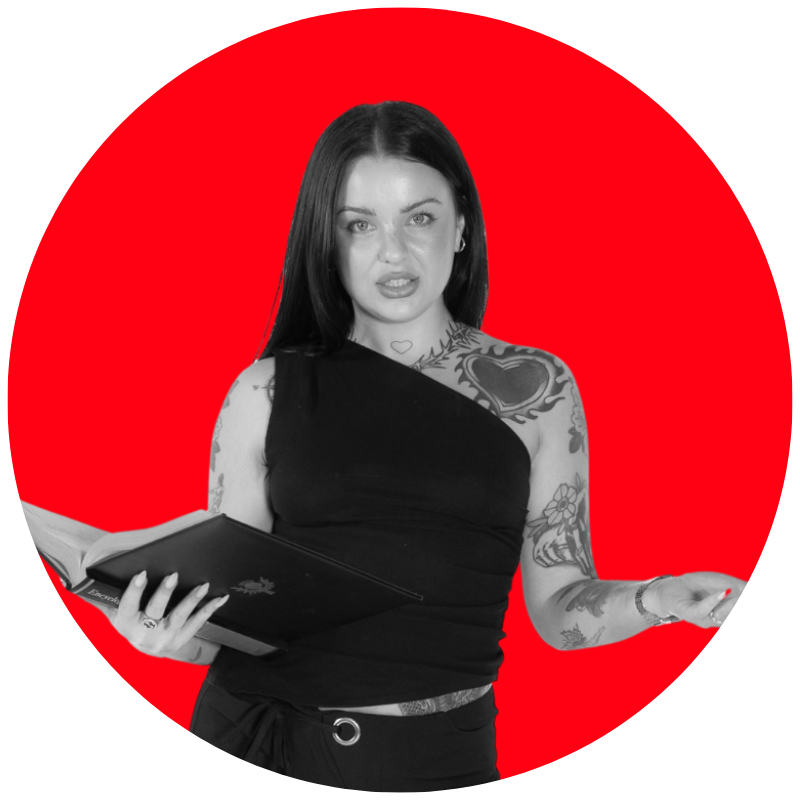
I've been a creepy girl for decades. An expert at winged liner, an ambassador for Doc Martens, a representative for melancholia. Facial piercings, tattoos, you name it, I’ve got it. That’s been my whole vibe since before it was a vibe.
So, when the Wednesday Addams series dropped and suddenly everyone was doing smudged black liner and acting brooding, I felt a very specific type of annoyed.
My culture is not your costume, damn.
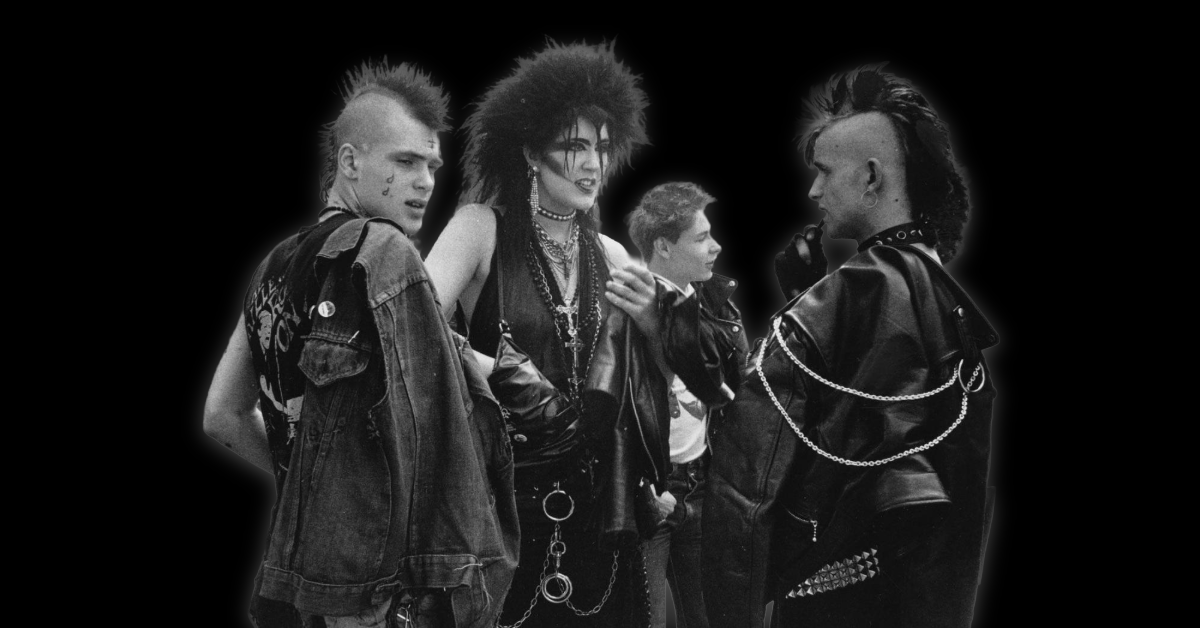
Wednesday was just the beginning. The rejection of clean girl aesthetic led straight into indie sleaze - everyone raiding Tumblr, scene kid, Bring Me The Horizon, Paramore, Pete Wentz era aesthetics. My formative years became a trend. Celebrities started showing up with fake piercings, referencing subcultures they have zero actual ties to, borrowing the visual markers of alternative without any of the context or participation.
Alysia Liu just won gold at the Olympics with striped bleach hair. And I’m sure we’ll soon see the adoption of her style too. Except, everybody wants to look alternative. But nobody wants to actually be alternative.
In the 90s, cultural theorist Sarah Thornton coined the term "subcultural capital", which is the status that comes from demonstrating insider knowledge of a specific scene.
Knowing the right bands before they broke. Having the right references. Wearing the style correctly because you were actually part of the community that created it.
These signals marked belonging. You couldn't fake being part of a scene because subcultural capital required participation: you had to be there, to know people. You had to earn your insider status through actual involvement in the subculture.
The gatekeeping was real, but it existed for a reason. Subcultures were spaces for people who didn't fit mainstream culture, the barriers to entry protected those spaces from becoming exactly what they were trying to escape.
The internet circulates alternative aesthetics in a completely flattened way now.
You can borrow all the visual references without requiring any actual participation in the subculture. Want to look indie sleaze? There's a Pinterest board for that. Want Wednesday Addams vibes? TikTok will teach you the eyeliner technique and the outfit guidelines.
The aesthetics are accessible, music is streamable, the style is shoppable. But the actual culture; the community, the shared experience, the reason these aesthetics existed in the first place, gets stripped away.
Alternative becomes an identity marker you can try on for funsies without any of the social cost that used to come with actually being alternative. You get the edgy aesthetic, I got the relentless bullying through all of school. You get the visual interest without the alienation, the coolness without the consequences.
Mainstream culture has always borrowed from subcultures.
This isn't new. Punk got commodified, grunge got commercialised, hip-hop aesthetics have forever been appropriated. Every alternative movement eventually gets absorbed and sold back as a sanitised version of itself.
But the speed has accelerated. It used to take years for subcultural aesthetics to make it to the mainstream. Now it happens in months, sometimes weeks. TikTok identifies a trend. Brands capitalise immediately. Celebrities adopt it. And suddenly what was underground last season is fkn everywhere.
The media keeps chasing alternative because alternative signals authenticity in an increasingly manufactured world. Being a weirdo genuinely feels impossible when conformity is algorithmically enforced.
So people and brands reach for alternative aesthetics as a shortcut to seeming authentic, and interesting and soooo not like other girls/boys. All without realising that mass adoption of alternative literally defeats the entire purpose.
When you were actually part of these subcultures, when you got sh*t for wearing too much eyeliner, when you were the weird kid listening to screamo, when your aesthetic choices came with social consequences, watching it become a trend feels like theft.
I didn’t “choose alternative” because it was cool. I liked it because I didn't fit anywhere else. Because the music spoke to something the mainstream couldn't touch. And through it I found my people, in spaces that weren't designed for mass consumption.
And now those aesthetics are everywhere, worn by people who have never experienced any of the context that created them.
The visual markers remain, but the meaning evaporates. Alternative without the alternative.
Because these subcultures aren’t actually really about how you look. They’re about finding community when mainstream culture rejects you. Creating spaces where being different was okay, where your weirdness was celebrated instead of punished.
When alternative becomes just another aesthetic to cycle through, that community aspect disappears. You get the surface-level signifiers without any of the deeper connection or shared experience that made those subcultures matter.
Sarah Thornton's subcultural capital required participation. You had to be part of the scene to earn the credibility. Now you just need a Pinterest board and a Depop account.
The cycle will continue. Alternative aesthetics will keep getting borrowed, flattened, commercialised, and discarded for the next trend.
That's how mainstream culture works.
But for those of us who were actually there, who lived these subcultures before they became hashtags, there's something exhausting about watching your identity become content. About seeing the aesthetics you got bullied for become cool once the context is stripped away.
Everybody wants to be alternative until it's time to actually be alternative. Until it costs something.